Leave Your Message

What Are the 2026 Top Steering Gear Box Types to Buy?

Choosing the right Steering Gear Box in 2026 requires more than comparing prices or counting product features. Vehicle weight, steering feedback, road conditions, maintenance access, and electronic compatibility all matter. A compact passenger car may favor an electric power steering gear. A heavy truck may still need a durable recirculating-ball design. Off-road vehicles demand stronger housings and better sealing around mud, water, and dust.

Automotive steering expert Andrew L. Brown Jr. has expressed a practical engineering principle: “Steering response must remain predictable when conditions become unpredictable.” That idea guides this overview of the 2026 top Steering Gear Box types to buy. The discussion compares hydraulic rack-and-pinion units, electric steering gears, recirculating-ball systems, worm-and-roller designs, and heavy-duty integrated assemblies. Each type has a useful place.

Real workshop experience also changes the decision. A gearbox that feels excellent during a short test may develop play after repeated impacts. Heat, worn bushings, poor alignment, and neglected fluid can distort the result. Small details matter. Mounting points matter. Seal quality matters.

The market is not perfectly tidy. Some products appear advanced but offer limited repair support. Others look old-fashioned yet survive demanding service for years. Buyers should inspect torque capacity, gear ratio, sensor integration, warranty terms, and replacement availability. A lower purchase price may become expensive after installation delays. This guide does not treat one design as universally superior. It examines where each Steering Gear Box works best, where it can disappoint, and which practical signs deserve a closer inspection before purchase.

What Are the 2026 Top Steering Gear Box Types to Buy?

Steering Gear Box Basics and Their Role in Vehicle Control

What Are the 2026 Top Steering Gear Box Types to Buy?

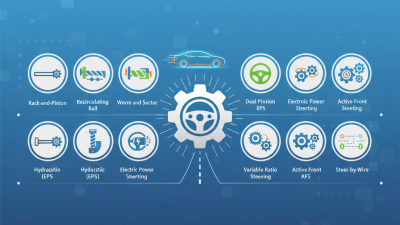
A steering gear box converts steering-wheel movement into controlled wheel movement. It also multiplies driver effort, especially during parking or low-speed turns. The main types are rack-and-pinion, recirculating-ball, and electrically assisted steering gears.

Rack-and-pinion units suit most passenger cars. They offer direct response, fewer moving parts, and easier inspection. Recirculating-ball designs remain useful for heavy vehicles. Their stronger construction handles larger loads and rougher roads. Electric power steering gear boxes add a motor and control unit. They reduce hydraulic losses and support lane assistance systems. The International Energy Agency reported over 17 million electric car sales in 2024. That figure supports continued demand for electronically controlled steering systems.

Choose by vehicle weight, suspension layout, steering ratio, and electronic compatibility. A replacement must match the original mounting points and sensor signals. Check for uneven tire wear, steering play, fluid leakage, and delayed wheel return. Scan stored fault codes before installation. A catalog match is not enough. UNECE Regulation No. 79 also sets requirements for vehicle steering equipment and advanced steering functions.

One judgment remains imperfect. The newest system is not always the best purchase. A simpler rack may provide better repairability and lower long-term risk. A workshop inspection should confirm shaft alignment and fastener torque. Do not ignore a slight knock. Small looseness can become poor vehicle control.

What Are the 2026 Top Steering Gear Box Types to Buy? - Steering Gear Box Basics and Their Role in Vehicle Control

Steering Gear Box Type Basic Operating Principle Typical Vehicle Applications Main Advantages Main Limitations Power Assistance Compatibility Maintenance Considerations Best Buying Priority in 2026
Rack-and-Pinion Steering Gear A pinion gear rotates against a straight toothed rack, converting steering-wheel rotation into side-to-side movement of the steering linkage. Most modern passenger cars, crossovers, compact sport-utility vehicles, and many light commercial vehicles. Compact design, relatively low weight, direct steering response, fewer moving parts, and good packaging efficiency. Less suitable for very high steering loads; damage to the rack, pinion, seals, or inner tie-rod joints can require complete unit replacement. Hydraulic power steering, electro-hydraulic power steering, and electric power-assisted rack systems. Inspect for fluid leakage, torn bellows, uneven steering effort, looseness, corrosion, and abnormal knocking sounds. Choose the exact steering ratio, mounting pattern, input-shaft design, travel length, sensor configuration, and power-assistance type.
Recirculating-Ball Steering Gear A worm shaft moves a ball nut through recirculating steel balls; the nut turns a sector shaft connected to the steering linkage. Pickup trucks, heavy-duty sport-utility vehicles, buses, commercial vehicles, and off-road platforms. High load capacity, strong durability, good impact resistance, and suitability for large tires and solid front axles. Heavier and less compact than rack-and-pinion systems; may provide less precise on-center feel when worn. Commonly paired with hydraulic power assistance; some newer commercial systems use electronically controlled hydraulic assistance. Check sector-shaft play, fluid condition, seal leakage, mounting bolts, pitman-arm connection, and steering-wheel free play. Prioritize correct vehicle load rating, steering ratio, sector-shaft spline, mounting position, and compatibility with the existing pump and hoses.
Worm-and-Roller Steering Gear A worm shaft engages a roller mounted on a cross shaft, transmitting steering motion to the linkage. Older passenger vehicles, classic cars, light trucks, and selected commercial vehicle applications. Can handle moderate steering loads and offers a durable mechanical design when correctly lubricated and adjusted. Lower efficiency and less precise steering feel than many modern systems; replacement parts may be less readily available. May be used with manual steering or adapted hydraulic assistance, depending on the vehicle design. Requires inspection of lubricant, roller wear, shaft seals, adjustment settings, and excessive steering-wheel play. Verify the original steering geometry, housing dimensions, shaft orientation, lubricant specification, and availability of service components.
Worm-and-Sector Steering Gear A worm shaft engages a toothed sector shaft that transfers rotational movement to the steering linkage. Early passenger cars, vintage vehicles, agricultural equipment, and certain low-speed utility applications. Simple construction, strong mechanical leverage, and suitability for restoration or low-speed heavy-duty use. Higher friction, greater backlash when worn, slower response, and limited suitability for modern high-speed vehicle dynamics. Usually manual; hydraulic assistance is uncommon and normally requires substantial system-specific engineering. Inspect gear-mesh adjustment, lubrication, shaft bushings, seal condition, and steering free play throughout the travel range. Buy only when the original vehicle specification requires this design; confirm dimensions and restoration-part availability before ordering.
Electric Power Steering Rack An electric motor applies assist torque directly to a rack, column, or pinion according to signals from torque and position sensors. Modern passenger cars, electric vehicles, hybrid vehicles, compact crossovers, and vehicles equipped with driver-assistance functions. No hydraulic fluid, improved fuel or energy efficiency, variable assistance, simplified engine-bay packaging, and easier integration with electronic controls. Higher electronic complexity; sensor, motor, software, wiring, or calibration faults may require diagnostic equipment. Integrated electric assistance; it is not designed to operate with a conventional hydraulic pump and hose circuit. Check diagnostic fault codes, steering-angle calibration, connector condition, motor operation, rack seals, and battery-voltage stability. Confirm software and sensor compatibility, required calibration procedures, vehicle network compatibility, and post-installation alignment requirements.
Hydraulic Power Steering Gear Hydraulic pressure from a pump assists the mechanical steering gear when the driver turns the steering wheel. Older passenger vehicles, trucks, buses, off-road vehicles, and applications requiring high continuous steering assistance. Strong assistance, established service procedures, predictable operation, and good suitability for high steering loads. Pump noise, fluid leakage, parasitic engine load, hose maintenance, and greater environmental sensitivity than electric systems. Requires a compatible pump, reservoir, pressure and return hoses, fluid specification, and correctly sized relief-pressure settings. Flush or replace fluid as specified, inspect hoses and seals, check belt tension, and test for steering effort changes or pump noise. Match hydraulic pressure and flow requirements, port locations, steering ratio, mounting points, and fluid compatibility.
Electro-Hydraulic Steering Gear An electric motor drives the hydraulic pump, allowing steering assistance to operate independently of engine speed. Some hybrid vehicles, compact vehicles with limited engine-bay space, and applications requiring hydraulic steering feel with electronic control. Provides hydraulic steering force without a belt-driven pump and can reduce unnecessary pump operation. Combines hydraulic and electronic failure points; sensitive to electrical supply, fluid condition, and control-module faults. Uses an electric motor-driven hydraulic pump with a compatible hydraulic steering gear or rack. Inspect hydraulic leaks, electrical connectors, pump current draw, battery voltage, fluid cleanliness, and control-system fault codes. Verify voltage rating, hydraulic pressure and flow, communication requirements, hose connections, and required electronic bleeding or calibration procedures.
Important Buying Check: Steering gear boxes are vehicle-specific safety components. Before purchase, verify the vehicle application, steering ratio, mounting points, input and output shaft dimensions, linkage connections, assistance type, fluid or electrical requirements, and alignment specifications.

Major Steering Gear Box Types Available for 2026 Vehicles

What Are the 2026 Top Steering Gear Box Types to Buy?

Major Steering Gear Box Types Available for 2026 Vehicles

Rack-and-pinion steering remains the main choice for passenger vehicles. It uses a compact gear pair and gives direct wheel control. Electric power steering, or EPS, is increasingly integrated with this layout. The International Energy Agency reported over 17 million electric car sales in 2024, exceeding one-fifth of global car sales. That shift favors electric steering systems because they reduce hydraulic losses and support automated driving functions. Quiet operation matters too.

Column-assist EPS places the motor near the steering column. It suits smaller vehicles and leaves more space near the front axle. Pinion-assist EPS transfers motor force closer to the steering gear. It can provide a more natural steering feel, especially on heavier vehicles. Rack-assist EPS delivers strong assistance directly through the rack. It often handles larger loads but may cost more and require careful thermal management.

Recirculating-ball steering still serves heavy vehicles and demanding commercial applications. Its robust design handles high loads, although it usually feels less precise than rack-and-pinion systems. OICA recorded more than 92.5 million motor vehicles produced worldwide in 2024, showing why different steering architectures will remain necessary. Buyers should check torque capacity, service access, redundancy, and software compatibility. A cheaper system can become expensive when calibration is poor. No single type wins everywhere. That is the uncomfortable part.

How to Compare Steering Gear Boxes by Design and Performance

What Are the 2026 Top Steering Gear Box Types to Buy?

How to Compare Steering Gear Boxes by Design and Performance

Choosing a 2026 steering gear box starts with design, not price. Recirculating-ball units suit heavy vehicles because hardened balls spread steering loads. Rack-and-pinion systems feel sharper and usually weigh less. Worm-and-roller designs remain useful where compact packaging matters. Electric-assisted steering gear boxes add efficiency, but their sensors and control modules require careful testing.

Compare steering ratio, maximum input torque, backlash, friction, and return-to-center behavior. A lower ratio can improve response, yet it may demand more driver effort. Check the housing material, seal quality, mounting accuracy, and service access. The U.S. Department of Energy reports that electric power steering can reduce engine-driven accessory losses and improve fuel economy by roughly 2% to 4%. MarketsandMarkets’ 2024 automotive steering analysis also projects steady growth through 2028, driven by electrification and safety integration. These figures support electric designs, but they do not guarantee better road feel.

Tips: Measure wheel play before replacement. Compare torque ratings under real loads. Ask for fatigue-test data, not only peak performance. Inspect one used unit if possible. It may reveal more than a brochure. I would not ignore hydraulic systems yet; harsh work environments can expose electronic weaknesses. A perfect scorecard is rare. Choose the box whose design matches the vehicle’s weight, duty cycle, steering feel, and repair conditions.

Best Steering Gear Box Choices for Different Vehicle Applications

What Are the 2026 Top Steering Gear Box Types to Buy?

Choosing a steering gearbox should begin with the vehicle’s actual workload, not its appearance. Rack-and-pinion systems suit most compact cars and modern sedans. They offer direct response, fewer moving parts, and clear feedback during lane changes. Check the steering ratio, mounting points, input shaft, and assist type before ordering. A small mismatch can create heavy steering or uneven tire wear.

Recirculating-ball gearboxes fit many pickups, utility vehicles, and heavy commercial applications. Their stronger internal design handles greater loads and larger tires. They also tolerate rough roads better when correctly adjusted. For off-road vehicles, inspect casing strength, sector-shaft movement, and fluid leakage around the seals. A slower ratio may feel less sporty, but it can improve control with oversized tires. That trade-off matters.

Worm-and-sector designs still appear in older vehicles and restoration projects. They can preserve original steering geometry, but replacement parts require careful measurement. Compare the gear ratio, frame brackets, pitman-arm position, and column connection. In workshop inspections, excessive free play often comes from worn linkage, not the gearbox itself. Replacing the box alone may not solve the problem. I have seen fitment decisions rely too heavily on catalog descriptions. That is risky. Vehicle weight, suspension lift, tire width, and daily driving conditions should guide the final choice. Testing steering effort after installation remains essential.

What Are the 2026 Top Steering Gear Box Types to Buy?

Best steering gear box choices for different vehicle applications, based on representative steering-ratio ranges. A lower ratio generally provides quicker response, while a higher ratio offers easier control and greater stability for heavier vehicles.

The ranges show typical steering-wheel rotation in degrees per one degree of road-wheel movement. Actual specifications vary by vehicle platform, suspension geometry, tire size, power-assist system, and intended use. Always confirm fitment and manufacturer specifications before purchasing.

Key Buying Factors for Selecting a 2026 Steering Gear Box

What Are the 2026 Top Steering Gear Box Types to Buy?

Choosing a 2026 steering gear box starts with vehicle duty, not appearance. Rack-and-pinion systems suit passenger vehicles and lighter platforms. Recirculating-ball gearboxes remain useful for heavy loads, commercial vehicles, and rough roads. According to the International Energy Agency’s Global EV Outlook 2025, electric car sales exceeded 17 million in 2024. That shift increases demand for low-friction steering parts, compact packaging, and precise electronic assistance.

Check the torque rating first. A box operating near its limit may feel vague, run hot, and wear quickly. Compare input torque, steering ratio, turning angle, backlash, sealing quality, and mounting dimensions. For electric or hybrid vehicles, confirm voltage compatibility and communication protocols. The wrong signal design can create calibration problems. It may fit mechanically but fail electronically.

Test evidence matters more than attractive specifications. Request endurance-cycle results, corrosion testing, temperature ranges, and traceable material records. ISO 26262 guidance also makes functional-safety thinking important for electronically assisted steering systems. Service access matters too; a sealed unit may reduce maintenance but increase replacement cost. I would still check real fleet feedback. Laboratory data can miss pothole impacts and winter contamination. A quieter box is not automatically better. Examine warranty terms, adjustment procedures, and replacement availability before purchasing.