Best Steering Gearbox Options for Global Buyers
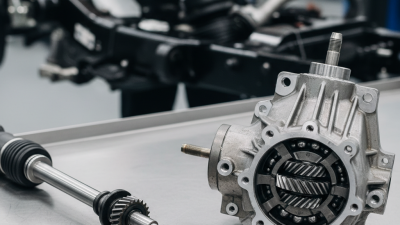
The automotive industry continues to evolve, and the steering gearbox plays a crucial role in this change. According to a recent report by Allied Market Research, the global steering gearbox market is projected to reach $30 billion by 2025. This growth emphasizes the need for buyers to choose reliable options. Industry experts stress the importance of quality in steering gearboxes. As Dr. Emily Tran, a noted automotive engineer, states, "The right steering gearbox enhances vehicle safety and performance."
Selecting the best steering gearbox can be challenging. Various factors influence a buyer's decision, such as vehicle type, usage, and geographical needs. Understanding the specifications of different steering gearboxes is essential. Furthermore, production standards vary widely across the globe. As manufacturers innovate, steering gearboxes must meet stringent safety and performance criteria.
Despite these advancements, not all steering gearboxes deliver the promised reliability. Some options may compromise safety for cost. Buyers must remain vigilant and not solely rely on marketing claims. This market demands careful consideration and expert advice to mitigate potential risks. Choosing the right steering gearbox requires effort and informed decision-making.
Key Features to Consider in Steering Gearboxes
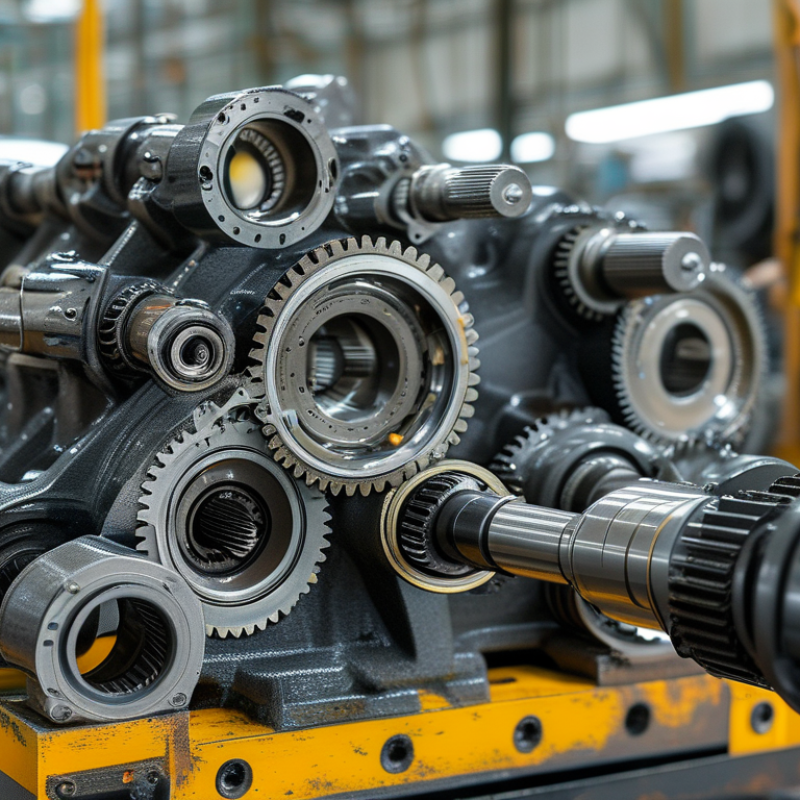
When selecting a steering gearbox, several key features are essential for ensuring optimal performance. One of the most critical aspects is the gearbox ratio, which determines how much steering input is required to turn the wheels. A higher ratio offers more responsive handling, while a lower ratio provides stability at high speeds. Industry reports indicate that most vehicles utilize a ratio between 14:1 and 20:1, balancing control and driver feedback.
Another important feature is the construction material. Steel is often favored for its durability, but aluminum options are increasingly popular due to their lighter weight. A lighter gearbox can enhance vehicle performance and fuel efficiency. According to recent market analyses, lightweight materials can improve fuel economy by up to 2-5%, making them an attractive option for eco-conscious buyers.
Additionally, consider the design type. Rack and pinion gearboxes are common for modern vehicles, offering precise control. However, recirculating ball systems can provide a smoother ride, especially in larger vehicles. Qualitative reports have shown that buyers may overlook the importance of compatibility with existing vehicle systems, potentially leading to suboptimal installation outcomes. Those factors highlight the need for careful evaluation in the selection process.
Types of Steering Gearboxes Available in the Market
Steering gearboxes play a crucial role in vehicle maneuverability. They convert the rotational movement of the steering wheel into linear motion, influencing how smoothly a vehicle turns. Various types of steering gearboxes are readily available in the market, including rack and pinion, recirculating ball, and worm gear systems. According to a 2022 industry report, rack and pinion systems are found in over 60% of modern vehicles due to their responsiveness and simplicity.
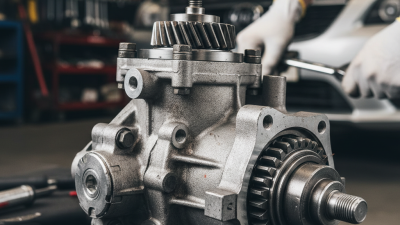
Rack and pinion setups are lightweight and provide direct feedback. However, other options like recirculating ball gearboxes are ideal for larger vehicles, such as trucks and SUVs. This type of gearbox offers greater durability and can handle heavier loads. It is essential to assess how vehicle type and usage influence the choice of gearbox. The right selection can enhance driving experience and safety, while the wrong one may cause handling issues or increased wear.
When deciding on a gearbox, consider vehicle weight and intended use. Ensure that the option you choose balances performance with reliability. Maintenance is another aspect that should not be overlooked. Regular checks can help detect problems early and prolong the lifespan of the gearbox. An informed choice can significantly impact both performance and repair costs down the line.
Top Brands Offering High-Quality Steering Gearboxes
When it comes to steering gearboxes, the choice of brands can significantly impact vehicle performance. Not all steering gearboxes are created equal. Reputable brands focus on quality and durability, ensuring their products meet industry standards. Key features to look for include responsiveness, ease of installation, and compatibility with various vehicle models.
Certain brands have developed a reputation for excellence in design and manufacturing. Their gearboxes often feature advanced engineering that enhances steering precision. However, not every option in the market offers the same level of reliability. Some models may lack sufficient testing, resulting in possible performance issues. It's crucial to research customer reviews and seek recommendations from professionals in the automotive sector.
Selecting the right steering gearbox is a nuanced process. Buyers should evaluate their specific needs and consider factors like vehicle type and driving conditions. Sometimes, the most popular choice may not be the best fit. Striking a balance between cost and quality is essential for long-term satisfaction. Engaging with knowledgeable distributors can lead to better purchasing decisions, ensuring that the chosen gearbox enhances the overall driving experience.
Best Steering Gearbox Options for Global Buyers
Factors Influencing Steering Gearbox Pricing
When considering the cost of steering gearboxes, various factors come into play. Material quality is crucial. Durable materials can increase the price. A gearbox made from high-grade steel lasts longer and performs better. On the other hand, a cheaper option may save money initially but could result in higher long-term costs due to frequent replacements.
Manufacturing techniques also influence pricing. Advanced processes can enhance precision and consistency. Gearboxes produced using outdated methods might not meet modern performance standards. Additionally, production location plays a role. Local manufacturing might lower shipping costs. However, international sourcing can offer competitive pricing due to larger production scales.
Market demand fluctuates, impacting costs. When demand spikes, prices may rise significantly. Seasonal changes can also affect pricing, especially if a specific type of gearbox is in high demand. Buyers must be vigilant and stay informed about these market trends to make cost-effective decisions. The steering gearbox landscape requires ongoing research to find the best balance between quality and price. Trustworthy suppliers can guide buyers through this complex market, ensuring informed choices.
Best Steering Gearbox Options for Global Buyers - Factors Influencing Steering Gearbox Pricing
| Gearbox Type |
Average Price (USD) |
Key Features |
Weight (kg) |
Warranty Period (Years) |
| Recirculating Ball Gearbox |
$150 - $300 |
Durable, Low Maintenance, Good Efficiency |
10 |
5 |
| Rack and Pinion Gearbox |
$100 - $250 |
Responsive, Lightweight, Compact Design |
8 |
4 |
| Electric Power Steering Gearbox |
$200 - $400 |
Fuel Efficient, Adjustable Assistance, Integrated Sensors |
7 |
3 |
| Hydraulic Steering Gearbox |
$180 - $350 |
Powerful Steering, Smooth Operation, High Load Capacity |
12 |
6 |
Global Market Trends in Steering Gearbox Demand and Supply
The steering gearbox market is witnessing significant shifts. Increasing vehicle production drives demand across the globe. According to recent reports, the steering gearbox market is expected to grow at a compound annual growth rate (CAGR) of over 5% from 2023 to 2030. This rising demand stems from the growing automotive sector, especially electric vehicles (EVs).
Supply side dynamics also present challenges. The ongoing semiconductor shortage has impacted manufacturing output. Reports indicate that around 30% of automotive manufacturers reported production delays due to component shortages last year. This has led to increased lead times for steering gearboxes, frustrating manufacturers and consumers alike.
Additionally, there's a growing emphasis on sustainability. Many buyers prioritize eco-friendly products. Research shows that over 60% of manufacturers are now investing in green technologies. However, the transition to sustainable practices is not straightforward. Companies must balance cost and innovation while meeting regulatory standards. The market will continue to evolve as these trends shape demand and supply.