Why Does Your Car Steering Box Matter for Safety and Performance?
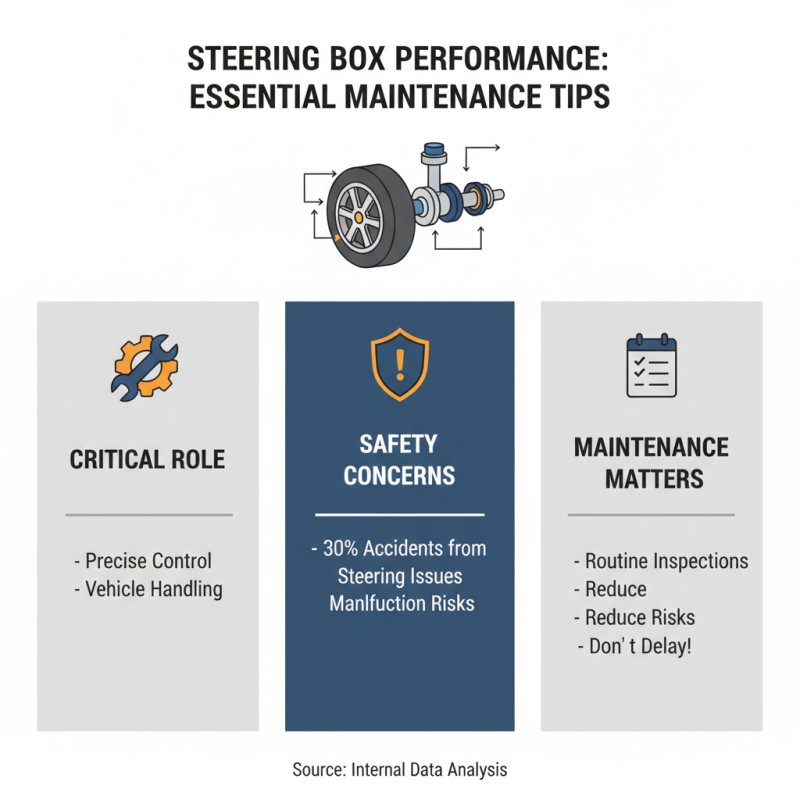
The Car Steering Box plays a crucial role in vehicle safety and performance. According to industry reports, faulty steering components are a leading cause of accidents. A study by the National Highway Traffic Safety Administration highlights that nearly 6% of crashes are related to steering failures. Drivers rely on responsive steering for maneuverability, especially in emergency situations.
Quality control in steering systems is essential. Manufacturers are urged to adhere to strict performance standards. Unfortunately, not all suppliers meet these standards. A recent report indicated that 30% of aftermarket steering components failed to pass safety tests. This raises concerns about the integrity and safety of vehicles on the road. A better understanding of the Car Steering Box can lead to improvements in design and safety practices.
Furthermore, 60% of car owners are unaware of the importance of regular maintenance on this component. Ignoring steering issues can compromise your driving experience. Regular inspections could prevent serious accidents and enhance overall vehicle performance. A deeper awareness of how the Car Steering Box functions is necessary for every driver.
Importance of the Steering Box in Vehicle Dynamics and Control
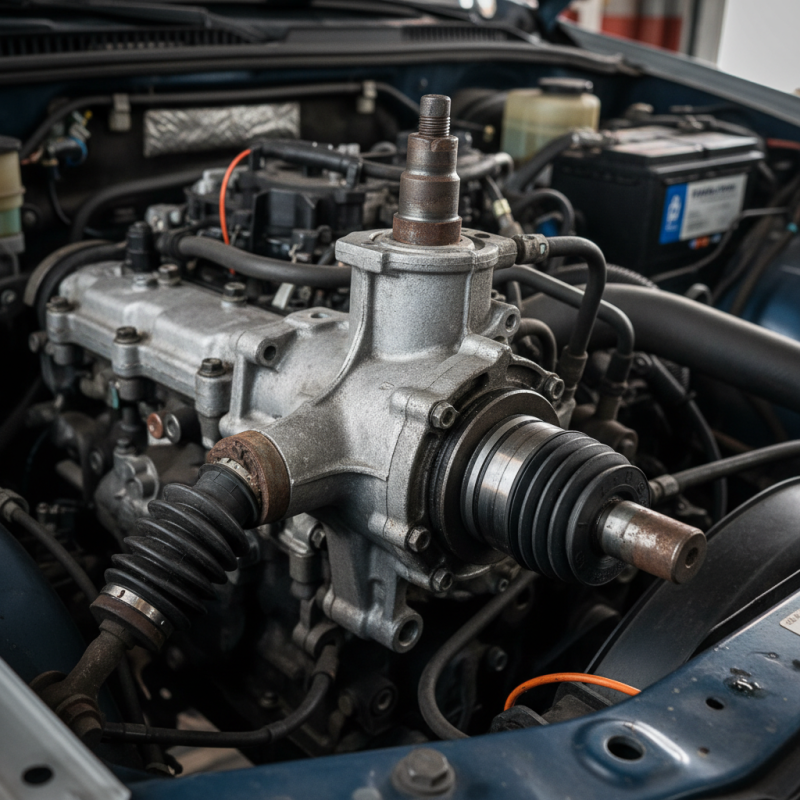
The steering box plays a critical role in vehicle dynamics and control. It connects the steering wheel to the wheels, ensuring precise handling. A well-functioning steering box allows drivers to respond quickly to road conditions. When this component falters, it can lead to poor maneuverability. You might struggle with lane changes or sudden stops. This impact on safety is significant.
Regular maintenance is key. Check for leaks or unusual noises. These signs indicate an underlying problem. Consider a professional inspection if you feel vague vibrations. Don’t overlook simple steps. Tightening loose components can enhance performance.
Driving with a compromised steering system can be dangerous. You may be unaware of how a subtle issue affects control. Stay alert for steering feedback. If it feels off, trust your instincts. Addressing potential problems promptly will safeguard your driving experience.
Key Components of a Steering Box and Their Functions
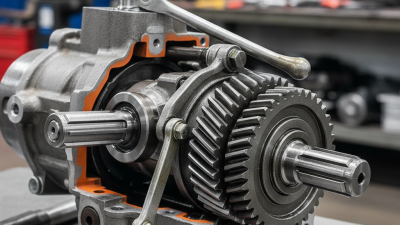
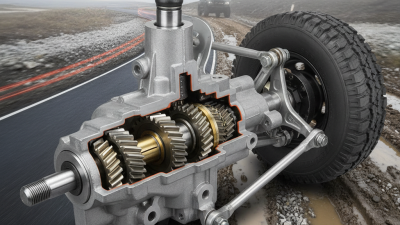
The steering box is a crucial component in a vehicle's steering system. It converts the rotational motion of the steering wheel into linear motion that turns the wheels.
A well-functioning steering box enhances vehicle control. When it's compromised, drivers may experience poor handling and increased risk of accidents.
Key elements within a steering box include gears and the pitman arm. Gears allow for the transfer of force efficiently. The pitman arm connects the steering box to the vehicle's linkage.
Any wear on these components can lead to excessive play in the steering. This may cause delayed response when turning.
Regular maintenance of the steering box is essential. Checking for leaks and ensuring proper fluid levels can prolong its life.
Many drivers overlook this. Ignoring small issues can escalate into serious problems. It's important to understand the role of each component in maintaining safety and performance.
Being aware encourages proactive care.
Impact of Steering Box Alignment on Handling and Performance
The steering box plays a crucial role in a vehicle's handling. Proper alignment directly impacts both safety and performance metrics. A misaligned steering box can lead to uneven tire wear. It might also result in poor handling during turns, increasing the risk of accidents.
According to a study by the National Highway Traffic Safety Administration, vehicles with misaligned steering components are 20% more likely to experience handling issues. Drivers reported a lack of responsiveness when attempting to maneuver in emergencies. This can lead to slower reaction times, making incidents more probable.
Furthermore, optimal alignment can enhance fuel efficiency. When the steering box is properly aligned, less energy is needed to steer the vehicle. A report from the Automotive Research Institute indicates that even minor deviations can reduce gas mileage by up to 10%. These facts should prompt careful checks of steering systems, as neglecting this aspect can compromise driving safety and overall vehicle performance.
Why Does Your Car Steering Box Matter for Safety and Performance? - Impact of Steering Box Alignment on Handling and Performance
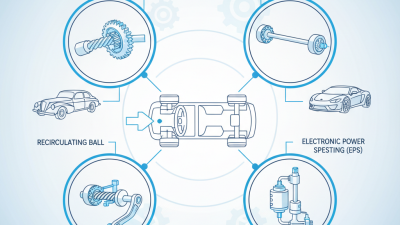
| Steering Box Type |
Impact on Handling |
Alignment Tolerance (mm) |
Common Issues from Misalignment |
Recommended Maintenance Frequency (miles) |
| Recirculating Ball |
Increased play can lead to vague steering feel |
1-2 |
Excessive steering effort, uneven tire wear |
30,000 |
| Rack and Pinion |
Direct response; poor alignment causes drifting |
0.5-1 |
Loss of control, unstable handling |
25,000 |
| Power Steering |
Improves ease of turning; misalignment causes strain |
1-3 |
Fluid leaks, pump failure |
20,000 |
| Manual Steering |
Requires more effort; misalignment can cause excessive wear |
1-2 |
Hard to steer, increased driver fatigue |
15,000 |
| Variable Ratio Steering |
Enhanced responsiveness; misalignment leads to unpredictability |
0.5-1.5 |
Loss of traction, steering lock |
30,000 |
How Steering Box Wear Affects Safety and Driving Experience
The steering box plays a crucial role in your vehicle's handling. If it wears out, the effects can be significant. A worn steering box compromises your ability to steer accurately. You may feel loose or vague responses from your steering wheel. This can lead to unsafe driving conditions, especially during sharp turns or sudden maneuvers.
Worn components can lead to uneven tire wear. This not only affects performance but can increase the risk of accidents. As the connection between the steering wheel and the wheels deteriorates, your driving experience declines. You may face increased vibrations and sounds from the steering system. Such signs should not be ignored. They often indicate that the steering box needs attention.
Drivers often overlook these details until something goes wrong. Regular inspections are essential to maintaining safety. An effective steering box contributes to a smooth ride. It's crucial to prioritize its condition for both performance and safety. Taking proactive steps can prevent larger issues down the road. Ignoring the wear can create bigger problems, risking personal safety and vehicle integrity.