How to Choose the Right Power Steering Gear for Your Vehicle?
Choosing the right Power Steering Gear for your vehicle can feel overwhelming. Many factors come into play. The right gear affects your driving experience, safety, and vehicle performance.
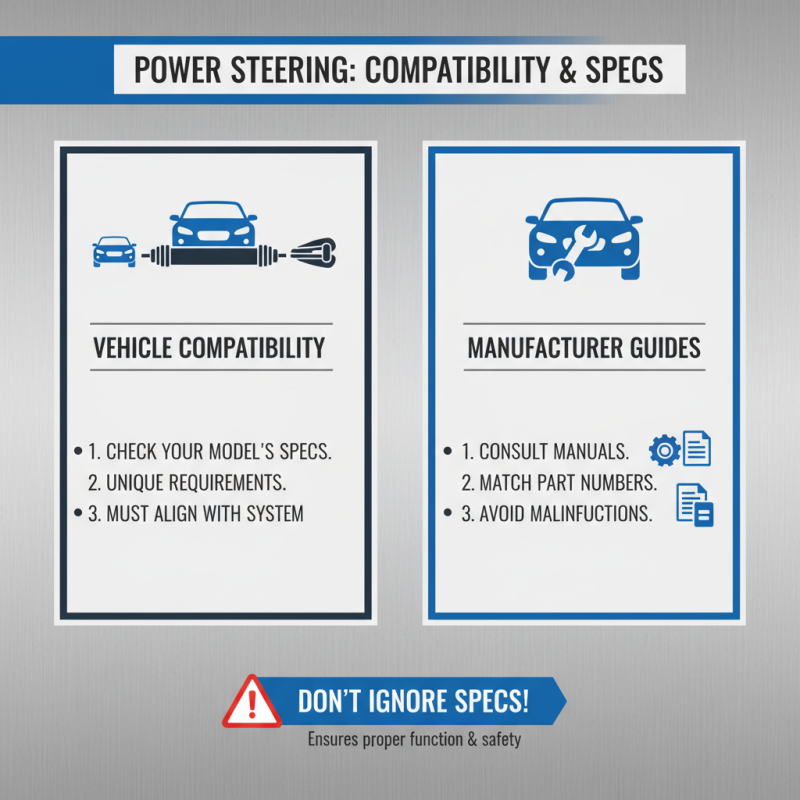
Understanding your vehicle’s needs is vital. A mismatched Power Steering Gear may lead to poor handling or safety issues. You should consider your vehicle model, driving style, and budget. Not all gears are created equal. Some are designed for specific models or driving conditions.
Think about your priorities. Is ease of installation important? Does the brand reputation matter? Reflect on these points. Often, people overlook how essential the Power Steering Gear is. It does not just assist in turning the wheel; it enhances control and stability. Make careful choices. Your vehicle deserves the best.
Factors to Consider When Choosing Power Steering Gear Types
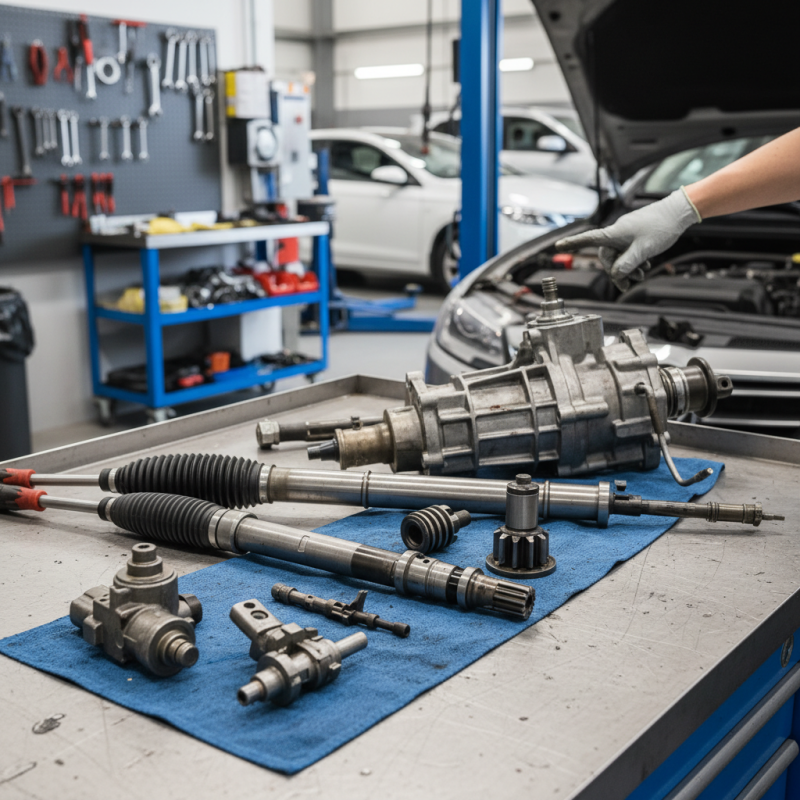
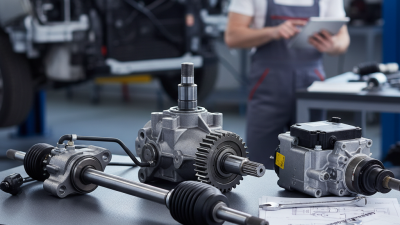
Choosing the right power steering gear is crucial for vehicle performance. Various factors influence the selection process. Understanding the types of power steering systems available is essential. These include hydraulic, electric, and electro-hydraulic systems. Each type has its advantages and limitations.
When evaluating your choices, consider the vehicle's size and weight. Larger vehicles often benefit more from hydraulic systems. In contrast, smaller vehicles may gain from electric options, which are generally lighter and more efficient. According to industry reports, electric power steering systems can enhance fuel efficiency by up to 10%.
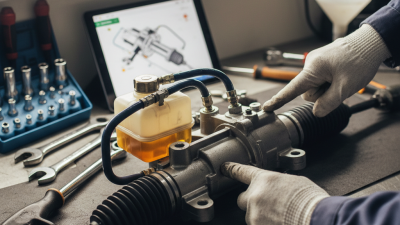
Tips: Pay attention to the installation requirements. Some systems demand specific tools or skills. Additionally, think about maintenance. Hydraulic systems need regular fluid replacements, whereas electric systems typically require minimal upkeep. Don't overlook compatibility with your vehicle's existing systems. Ensuring parts fit well can save you time and money.
Reflect on your driving style and typical conditions. Off-road or heavy towing situations may necessitate a sturdier setup. Hydraulics may offer better reliability in harsh environments. Evaluate your priorities carefully. Each choice comes with its trade-offs and advantages. Take time to research and assess what fits best.
Power Steering Gear Types Comparison
This chart illustrates the popularity index of different types of power steering gears based on their usage and consumer preference. The values range from 1 to 10, with higher numbers indicating greater popularity.
Understanding Different Types of Power Steering Systems
When selecting the right power steering gear for your vehicle, understanding the different types of power steering systems is essential. The two primary types are hydraulic and electric power steering. Hydraulic systems use fluid to assist steering, relying on a pump driven by the engine. These systems have a long history and provide a direct connection between the steering wheel and the tires.
In contrast, electric power steering systems use an electric motor to provide assistance. They were adopted widely in the early 2000s. According to industry reports, electric systems are lighter and more fuel-efficient. They also allow for advanced features like variable steering ratios. This technology is anticipated to grow at a CAGR of 6.5% through 2027.
Tip: Before making a choice, consider your driving habits and the type of vehicle you drive. Urban drivers may favor electric systems for their smoother handling. Long-distance drivers might appreciate the durability of hydraulic systems. The right system can significantly affect comfort and control.
Not every vehicle suits every type of steering system. Some drivers feel electric systems lack the road feel of hydraulic ones. Reflecting on personal preferences is vital. Conduct tests if possible. Make informed decisions that enhance your driving experience.
Evaluating Power Steering Gear Ratios for Optimal Performance
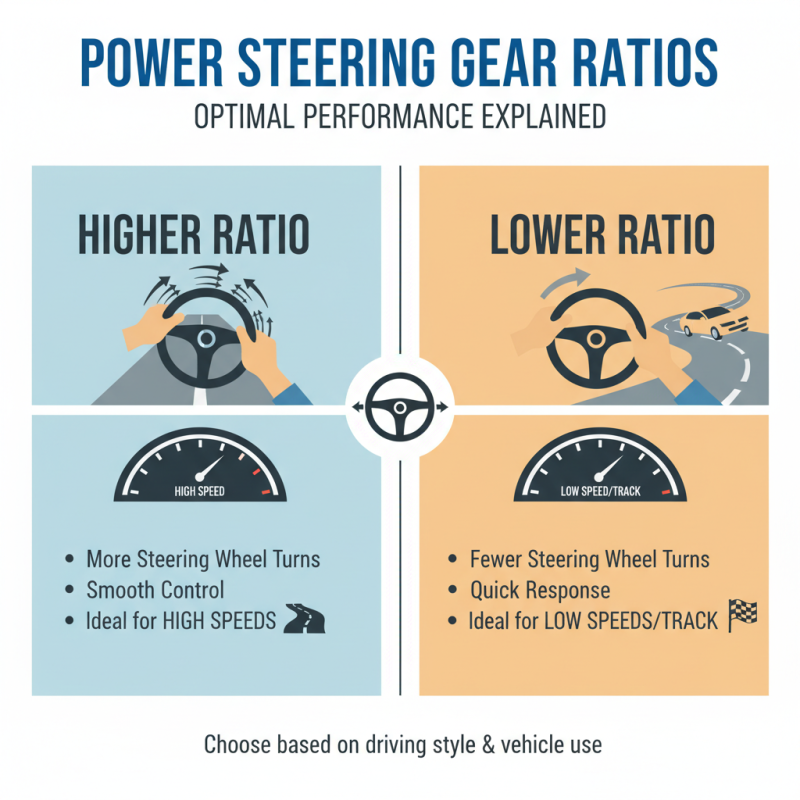
When selecting the right power steering gear, understanding gear ratios is crucial. Gear ratios determine how the steering wheel responds to driver input. A higher ratio requires more turns for the same angle, offering smooth steering at high speeds. Conversely, a lower ratio allows for quicker responses but may feel twitchy.
Consider your driving style and vehicle use. If you often navigate tight spaces, a lower gear ratio may be beneficial for quick maneuvers. However, on highways, the higher ratio might enhance stability. Sometimes, finding the right balance feels challenging. You might prefer sharp turns yet desire stability at high speeds. It's a delicate dance.
Testing different setups can reveal what works best. Customizing steering feel may involve trial and error. Adjustments can lead to enhanced performance, but they may also highlight imperfections in your technique. Listen to your vehicle's feedback; it often offers clues for adjustment. Be open to refining your choice as you gain experience.
Analyzing Cost vs. Quality in Power Steering Gear Selection
When selecting a power steering gear, cost and quality are key considerations. A recent industry report highlights that lower-cost options can lead to higher long-term expenses. For instance, budget steering gears often wear out faster and may result in costly repairs. In fact, research indicates that quality parts can enhance vehicle longevity by as much as 30%.
Investing in durable power steering gear can save drivers time and money. High-quality components typically feature better materials and manufacturing processes. One study shows that vehicles equipped with premium steering gears report a 15% increase in overall driving performance. However, not everyone prioritizes quality over cost. Many drivers overlook potential long-term savings.
It's important to weigh your options carefully. Cheaper alternatives may seem appealing at first. Yet, understanding the potential hidden costs is crucial. Maintenance issues can arise more frequently, burdening the owner with unexpected expenses. The balance between cost and quality is tricky, requiring thorough research and consideration.
How to Choose the Right Power Steering Gear for Your Vehicle? - Analyzing Cost vs. Quality in Power Steering Gear Selection
| Vehicle Type |
Power Steering Gear Type |
Cost ($) |
Quality Rating (1-5) |
Warranty (Years) |
| Sedan |
Rack and Pinion |
250 |
4 |
2 |
| SUV |
Traditional |
300 |
5 |
3 |
| Truck |
Hydraulic |
400 |
3 |
4 |
| Coupe |
Electric |
350 |
4 |
2 |