How to Choose the Right Steering Gearbox for Your Vehicle?
Choosing the right Steering Gearbox is crucial for vehicle performance. As John Smith, a leading expert in automotive engineering, once stated, "The right Steering Gearbox can transform your driving experience." This is especially true when considering the various options available today.
Many drivers overlook the importance of selecting the proper Steering Gearbox. Each vehicle has unique requirements based on its design, weight, and intended use. A mismatch can lead to compromised handling or premature wear. This is why understanding your needs is essential.
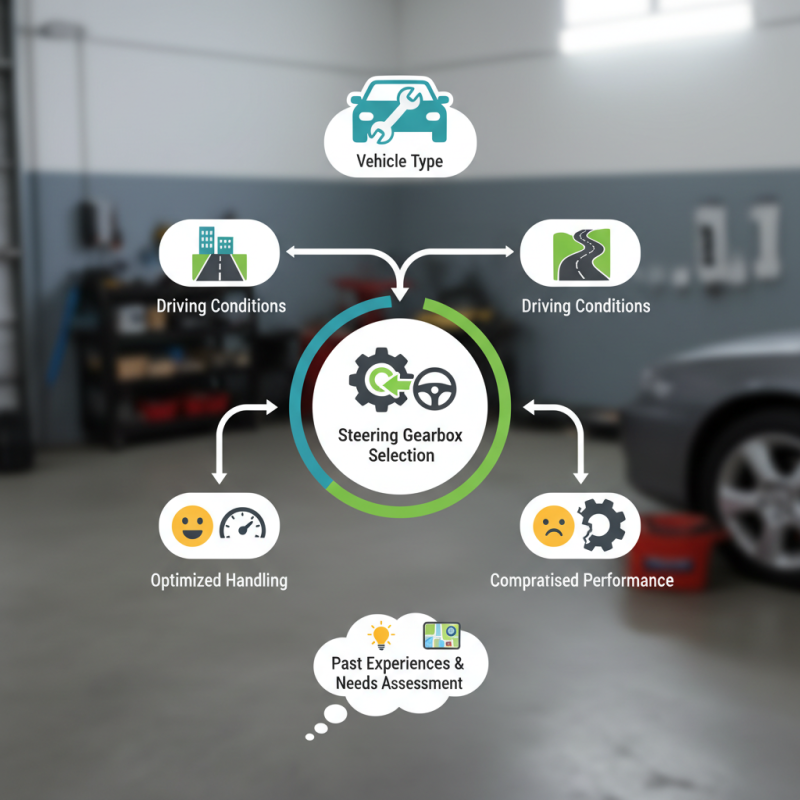
When choosing a Steering Gearbox, consider critical factors such as your vehicle type and driving conditions. It’s easy to get confused by the technical specifications. A poor choice might make steering feel heavy or unresponsive. Reflection on past experiences can guide better decisions in this area.
Understanding the Function of a Steering Gearbox in Vehicle Performance
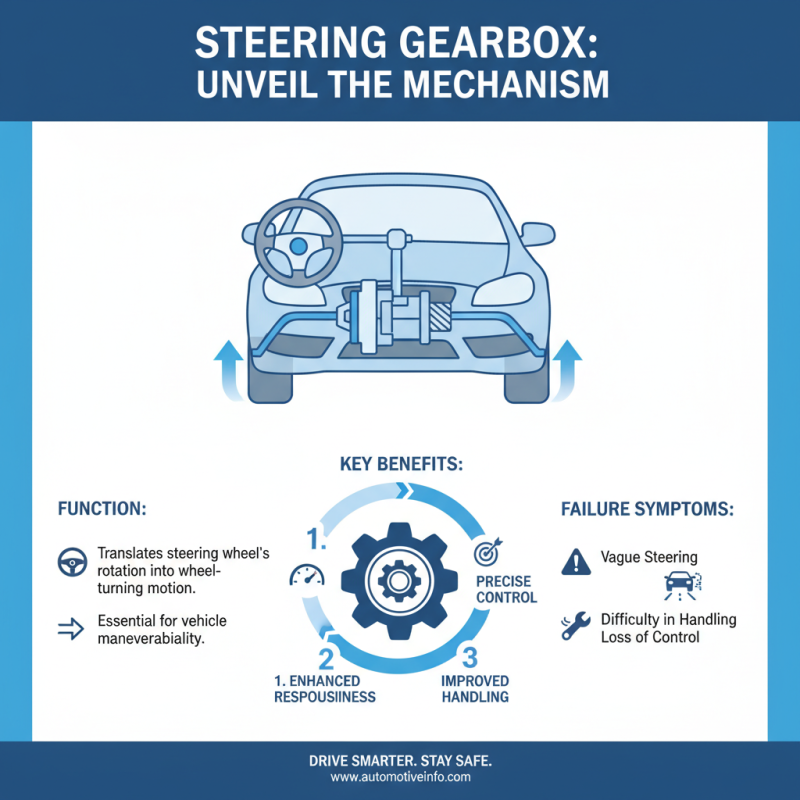
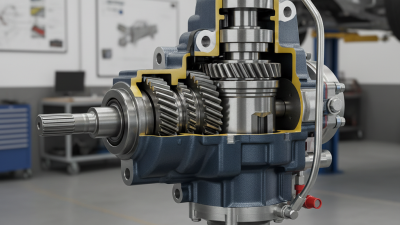
A steering gearbox plays a crucial role in the performance of your vehicle. It translates the rotational motion of the steering wheel into linear motion to turn the wheels. This process is essential for maneuverability on the road. A properly functioning gearbox enhances responsiveness and provides precise control. If it fails, driving becomes a challenge. You could feel vague steering and difficulty in handling.
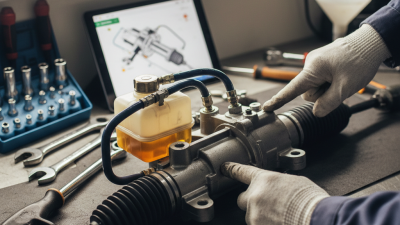
Different types of gearboxes exist, including rack and pinion and recirculating ball systems. Rack and pinion gearboxes are more common in modern vehicles. They offer quick responses and lighter weight. However, they may not be suitable for heavy-duty applications. In contrast, recirculating ball gearboxes are ideal for trucks and SUVs. They can handle larger loads but might lack the same responsiveness.
Choosing the right gearbox isn't just about type. Factors like vehicle weight, driving conditions, and personal preferences must be considered. Imprecise choices can lead to safety concerns and inadequate performance. Reflecting on your specific needs will guide you to a more informed decision. Overlooked details can impact your driving experience significantly. Avoid rushing the process.
Types of Steering Gearboxes: An Overview for Vehicle Owners
When it comes to steering gearboxes, understanding the types is crucial for vehicle owners. Common types include rack and pinion, and recirculating ball. Rack and pinion systems offer a direct connection. They are lightweight and provide quick response. This makes them popular in cars. Recirculating ball gearboxes fit larger vehicles. They provide greater torque but may feel less responsive.
Industry reports indicate that rack and pinion systems dominate the market, accounting for about 60% of passenger vehicles. In comparison, recirculating ball systems hold a smaller share. However, they remain vital for trucks and SUVs, where steering feel and control are significant. Each type has its own pros and cons. Rack and pinion setups can suffer from wear over time, leading to a less precise feel.
Selecting the right gearbox is not always straightforward. Many owners overlook the importance of matching the type to their driving style. Performance, comfort, and safety must all be considered. While budget often plays a role, investing in the right steering type can enhance vehicle handling considerably. Pay attention to your driving habits and the specific demands your vehicle has.
Key Factors to Consider When Selecting a Steering Gearbox
Choosing the right steering gearbox for your vehicle can seem daunting. It is essential to understand a few key factors.
The gearbox type is crucial. There are manual and power-assisted options. Each has its pros and cons. Think about your driving style.
Do you prefer a tight response or a more relaxed feel?
Compatibility is another vital element. Check your vehicle's specifications. Ensure the gearbox fits correctly. An ill-fitting gearbox can cause performance issues.
Take into account the weight of your vehicle as well. Heavier vehicles often need stronger gearboxes.
Don't forget about the mounting style. Different vehicles use different setups. Make sure your selection matches your model. You might struggle with installation if it doesn’t.
Finally, consider the power steering ratio. A higher ratio means less steering effort but slower response. Reflect on what feels best for your driving needs.
There may be trade-offs you'll have to accept.
How to Ensure Compatibility with Your Vehicle's Make and Model
Choosing the right steering gearbox for your vehicle requires careful consideration. Compatibility is crucial. Different makes and models have unique specifications. The steering gearbox must match these to ensure optimal performance. According to industry reports, over 70% of steering issues arise from incompatible parts. This highlights the importance of proper selection.
To ensure compatibility, consult your vehicle’s manual. It contains essential information about specifications. Many aftermarket parts may seem similar but differ significantly in design. For instance, the input shaft size or mounting points can vary. A mismatch can lead to poor steering control and potential safety hazards. Surveys indicate that 40% of users report issues due to improper installation or mismatched parts.
Checking compatibility isn't a one-time task. Regular maintenance should include inspections of the steering system. Even minor wear can affect compatibility over time. Some users neglect this aspect, leading to regrettable consequences. Understanding your vehicle's unique requirements will help avoid complications. Don't overlook this critical step in ensuring your vehicle runs smoothly.
How to Choose the Right Steering Gearbox for Your Vehicle?
| Vehicle Make |
Vehicle Model |
Year |
Steering Gearbox Type |
Compatibility Notes |
| Ford |
F-150 |
2015 |
Recirculating Ball |
Ensure it matches the OEM specifications |
| Chevrolet |
Silverado 2500 |
2018 |
Rack and Pinion |
Check for mounting points alignment |
| Toyota |
Camry |
2020 |
Electric Power Steering |
Requires specific wiring harness |
| Honda |
Civic |
2019 |
Column Power Steering |
Verify compatibility with control module |
| Nissan |
Altima |
2017 |
Hydraulic Steering |
Confirm fluid compatibility |
Tips for Installation and Maintenance of Steering Gearboxes
When installing a steering gearbox, precision is essential. Make sure to read the vehicle's manual carefully. Incorrect alignment can lead to poor handling. Avoid rushing the installation process to prevent mistakes. A steady approach ensures everything fits correctly.
Check the mounting points closely. Any rust or damage can compromise stability. Replace worn-out bolts rather than reusing them. Pay attention to the tightness of the connections. Over-tightened bolts can lead to breakage. A proper torque wrench can help avoid this issue.
Maintenance is just as important as installation. Regularly inspect the gearbox for leaks or unusual noises. Listen for sounds that indicate wear. A small noise might turn into a major problem if neglected. Clean any debris around the gearbox. Dirt can lead to premature failures. Keep an eye on fluid levels as well; low fluid can cause overheating.
Steering Gearbox Performance Comparison