Leave Your Message

10 Essential Tips for Choosing the Right Steering Gearbox for Your Vehicle

Choosing the right steering gearbox for your vehicle is crucial for optimal driving performance and safety. According to a report by the Automotive Industry Association, improper steering system choices account for 25% of vehicle handling issues. A steering gearbox affects how well your vehicle responds to your input. It bridges the steering wheel to the wheels, ensuring precise maneuvering.

Selecting a suitable gearbox involves understanding your vehicle’s specific needs. Factors such as weight, type of terrain, and driving style should influence your decision. For instance, heavy-duty applications require robust gearboxes to handle increased strain. Not all gearboxes are created equally, and mismatches can lead to performance problems. Reviews indicate that nearly 30% of vehicle owners regret their gearbox choice due to insufficient research.

This highlights the importance of informed decision-making. It's not just about finding a part that fits. You must consider quality, compatibility, and your driving habits. Taking the time to research can prevent costly mistakes. Always reflect on what you truly need from a steering gearbox. Your safety and driving enjoyment depend on it.
10 Essential Tips for Choosing the Right Steering Gearbox for Your Vehicle

Understanding the Importance of a Steering Gearbox in Vehicle Performance

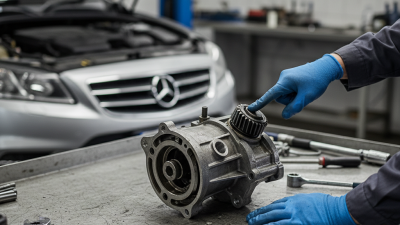
The steering gearbox plays a crucial role in vehicle performance. It translates the driver’s inputs into directional changes. A well-functioning steering gearbox ensures stability and control, which are vital for safe driving. Poorly chosen gearboxes can lead to handling issues. This could result in a compromised driving experience. Many drivers overlook this when selecting replacements.

When choosing a steering gearbox, consider the type of vehicle you have. Each vehicle has specific requirements. Make sure your choice aligns with your vehicle’s specifications. Compatibility is key. It’s tempting to choose a cheaper option, but this can lead to future problems. Remember that reliability matters as much as price.

Test drive your vehicle after installation. This helps identify any issues early. Pay attention to feedback from the steering wheel. Odd noises or vibrations often indicate problems. Choosing the right gearbox is not just about finding the right fit. It involves understanding how it impacts your driving experience. Reflect on the difference a good gearbox can make. A little extra effort in selection goes a long way.
Identifying Key Factors in Steering Gearbox Selection

10 Essential Tips for Choosing the Right Steering Gearbox for Your Vehicle

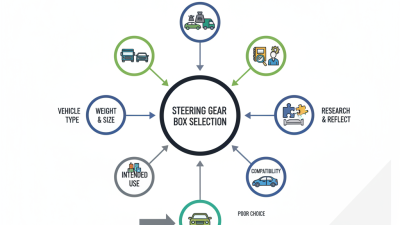
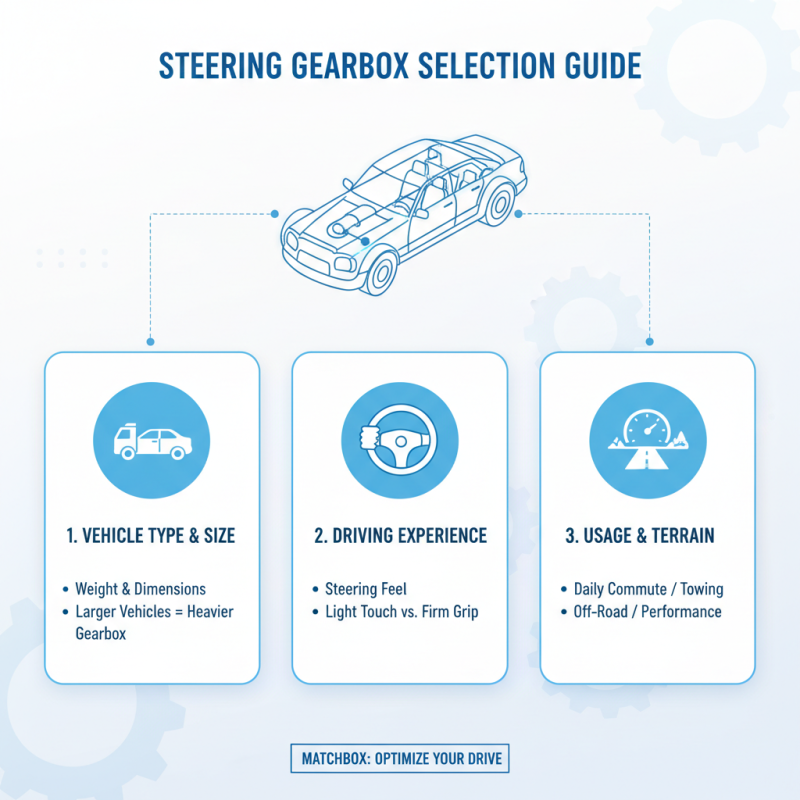
When choosing a steering gearbox, several key factors demand attention. Understanding your vehicle's specific requirements is crucial. Vehicle weight, size, and usage play significant roles in the selection process. For example, larger vehicles generally need heavier gearboxes. The steering feel can also change based on the gearbox type. A light touch may feel good for some, while others prefer a firmer grip.

Additionally, compatibility with your existing steering components cannot be overlooked. Ensuring that the gearbox aligns with your steering column and other parts is essential. If not, you might face alignment and responsiveness issues. It's important to measure precisely and know your vehicle's specifications.

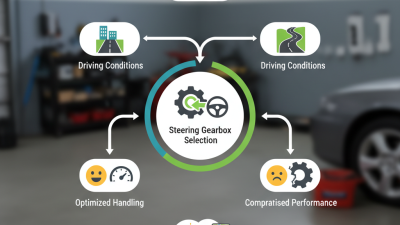
Another factor is the driving conditions you frequently encounter. If you're often in stop-and-go traffic, a gearbox with quicker response might benefit you. For off-road conditions, durability and strength should prioritize your choice. Often, potential buyers overlook these scenarios. Assessing your needs thoughtfully can help avoid future regrets over your choice. Consider the terrain you drive on and how it affects steering dynamics.

Types of Steering Gearboxes and Their Applications

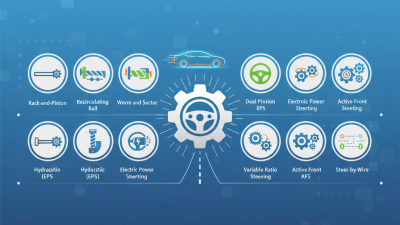
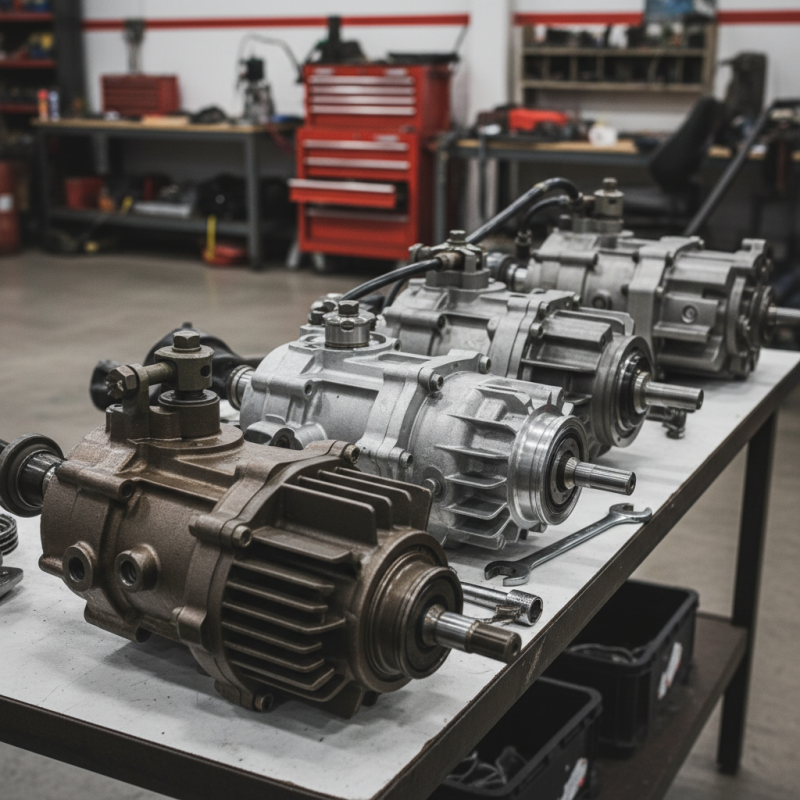
When selecting a steering gearbox, understanding the different types is crucial. There are three main types: rack and pinion, recirculating ball, and worm gear. Rack and pinion gearboxes are popular in modern vehicles due to their efficiency and compact design. Recirculating ball systems offer smoother steering but can be bulkier. Worm gear systems are often found in older vehicles, providing durability, yet they might lack precision.

One essential tip is to consider your driving style. If you drive in urban areas, a responsive rack and pinion system may suit you best. For off-road adventures, a recirculating ball system could provide the robustness needed. Another critical point is to look for specific applications. Different gearboxes excel at different tasks. For instance, heavier vehicles might benefit from worm gear systems due to their strength.

Don’t overlook the importance of feel. Test the steering response before buying. The right gearbox should enhance your driving experience. Pay attention to the proportion of steering input to output. Sometimes, gearboxes can feel disconnected. Reflect on what truly enhances your control and comfort while driving. It’s not just about performance; it’s also about how it fits your needs.

Evaluating Compatibility with Your Vehicle Model

Choosing the right steering gearbox is crucial for vehicle performance. Compatibility with your vehicle model plays a significant role. Each vehicle has unique specifications that must be met. Ignoring these details can lead to suboptimal performance and safety issues.

Check the manufacturer’s specifications. This includes dimensions, mount types, and spline counts. An incompatible gearbox may fit physically but fail to function correctly. Misalignment can cause excessive wear on components. It’s essential to cross-reference parts and ensure they meet the requirements.

Consider the driving conditions you encounter. Different gearboxes handle various terrains. Some may function well on smooth surfaces but struggle off-road. Think about your typical routes. Research user experiences with similar models. This helps avoid mistakes that could lead to costly repairs down the line. Make informed choices to ensure your vehicle's reliability and performance.

10 Essential Tips for Choosing the Right Steering Gearbox for Your Vehicle - Evaluating Compatibility with Your Vehicle Model

Tip No. Tip Description Compatibility Factors Common Vehicle Models
1 Check vehicle manufacturer specifications Match gearbox type (manual/automatic) Toyota Camry, Honda Accord
2 Evaluate the steering system type Hydraulic vs. Electric systems Ford F-150, Jeep Wrangler
3 Confirm mounting location requirements Space available in vehicle frame Chevrolet Silverado, Nissan Titan
4 Assess gear ratio compatibility Alignment with vehicle performance ratio Audi A4, BMW 3 Series
5 Inspect quality and material Durability under stress Subaru Outback, Hyundai Elantra
6 Consult with automotive professionals Expert advice on compatibility Mazda CX-5, Volkswagen Golf
7 Check for warranty information Manufacturer support for products Kia Sorento, Tesla Model 3
8 Analyze customer reviews User feedback on performance Honda CR-V, Ford Escape
9 Consider overall vehicle weight Impact on steering performance GMC Sierra, Chrysler Pacifica
10 Evaluate pricing and value Price vs. features offered Nissan Rogue, Mitsubishi Outlander

Budget Considerations and Long-Term Value of Steering Gearboxes

When selecting a steering gearbox, budget plays a crucial role. Many vehicle owners may prioritize low upfront costs. However, investing in quality is essential for longevity. According to industry reports, a well-constructed steering gearbox can last up to 200,000 miles. Cheaper options might seem attractive, but they often fail well before that mark. Frequent replacements can lead to higher costs in the long run.

Maintenance costs should also be considered. Some gearboxes may have lower initial prices but incur higher repair expenses. A study showed that quality gearboxes can save up to 30% on maintenance over their lifespan. Investing wisely ensures not only performance but also safety. A reliable gearbox contributes to smoother handling and better road control. In contrast, a subpar choice increases risks.

Reflecting on your options is vital. Examine your driving habits and vehicle usage patterns. If you drive frequently or on rough terrain, a durable gearbox is a must. Remember, performance and safety outweigh initial expenditures. Quality steering gearboxes often deliver better long-term value, despite higher upfront costs.