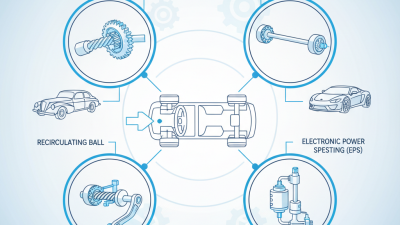
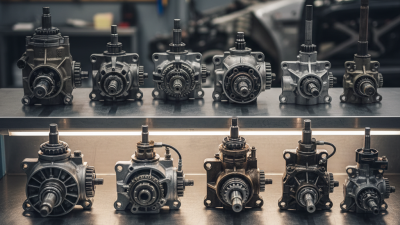
Top Digital Steering Box Solutions for Global Buyers?
In the world of automotive engineering, the Steering Box serves a crucial role. It ensures precise control over vehicle direction, impacting safety and performance. With the advancement of technology, digital solutions have emerged as game-changers for steering systems.
Globally, manufacturers are seeking innovative Steering Box solutions to enhance their offerings. Digital steering systems promise improved feedback and sharper responsiveness. However, not all solutions are equal, and finding reliable options can be challenging. Buyers must scrutinize various products to ensure they align with industry standards.
Furthermore, the landscape is constantly evolving. New players are entering the market, bringing fresh ideas. Yet, some may lack the experience or reliability that established brands offer. Therefore, it’s vital for buyers to assess quality, expertise, and support before making decisions. This nuanced approach is essential in navigating the dynamic steering box solutions market.
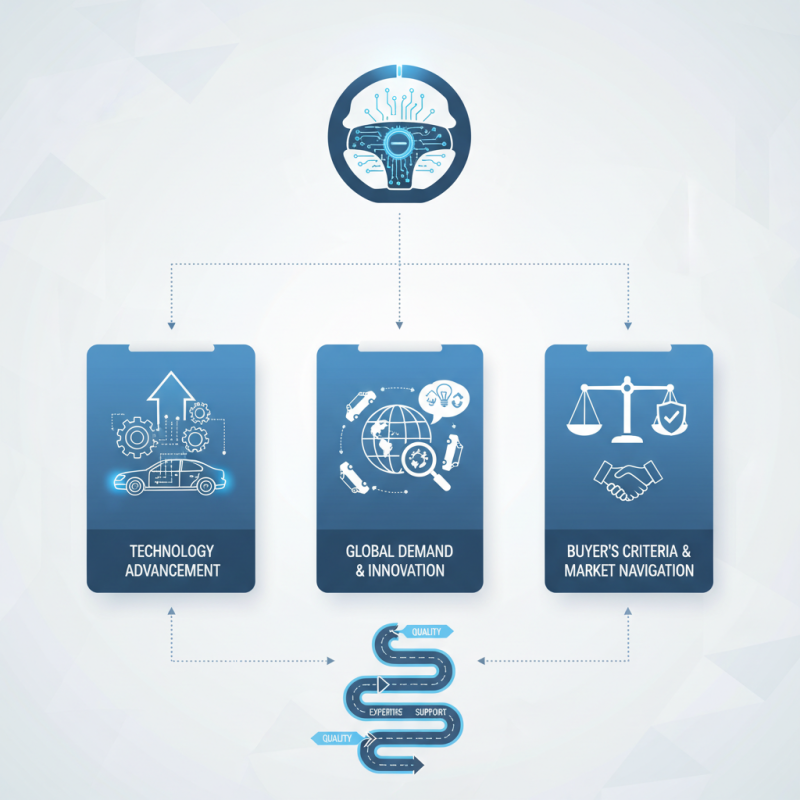
Overview of Digital Steering Box Technologies
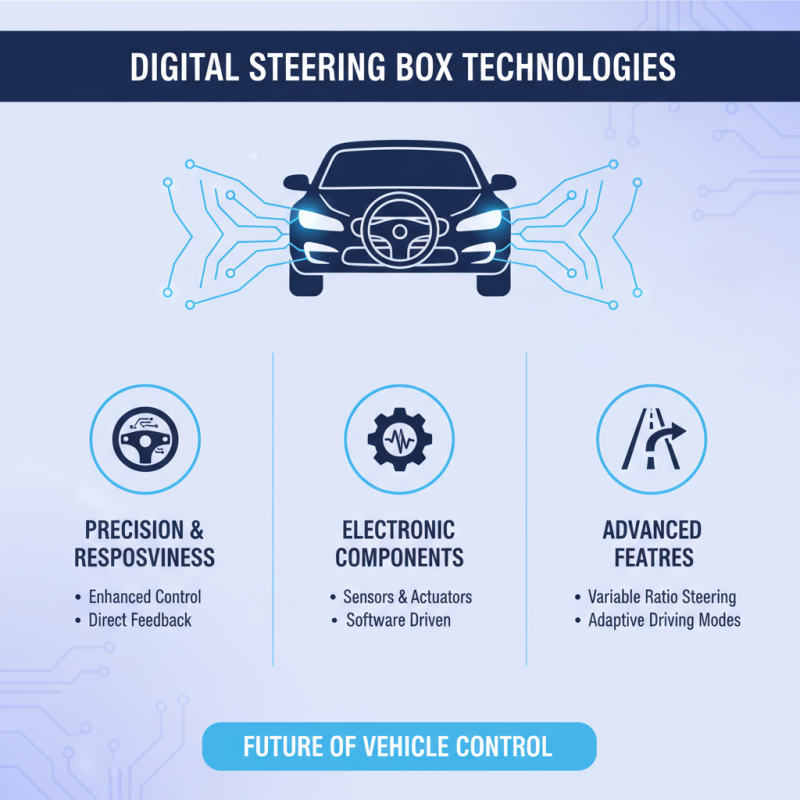
Digital steering box technologies are revolutionizing vehicle control and driver experience. These advanced systems offer precision and responsiveness. Unlike traditional mechanical setups, they use electronic sensors and actuators to enhance steering performance. This shift allows for features like variable ratio steering, adapting to different driving conditions.
One key aspect of digital steering technology is its integration with other vehicle systems. The potential for enhanced safety is notable. For instance, automatic lane keeping relies on this synergy. Yet, the complexity of these systems raises concerns about reliability. Many buyers may question how these technologies perform in adverse conditions.
Considering the rapid development in this field, ongoing research is crucial. Engineers must address the challenges of creating dependable systems. Issues like sensor accuracy and software reliability could impact user trust. As these technologies evolve, user feedback will play a vital role in shaping the future of digital steering solutions.
Key Features of Digital Steering Boxes for Automotive Applications
Digital steering boxes have become essential in modern automotive design. These advanced systems provide enhanced stability and responsiveness. According to a recent market report, the global automotive steering systems market is expected to grow at a CAGR of 5.6% through 2028. This growth signifies the increasing adoption of digital technologies in vehicles.
Key features of digital steering boxes include precision control and real-time feedback. They utilize sensors to monitor vehicle dynamics, providing adjustable steering ratios. This adaptability improves handling and maneuverability, especially for electric vehicles. Another noteworthy aspect is the integration of driver assistance systems, enhancing overall safety. A 2022 study indicated that vehicles equipped with electronic steering systems experienced a 20% reduction in accidents compared to traditional systems.
However, challenges remain in the sector. High development costs can hinder widespread adoption. Efforts to standardize communication protocols and improve system reliability are ongoing. Reports suggest that only 30% of manufacturers have fully implemented digital steering technologies in their fleets. The path forward requires collaboration among industry leaders and continued research into consumer preferences and technological advancements.
Top Digital Steering Box Solutions for Global Buyers
| Feature |
Description |
Advantage |
| Precision Control |
Provides highly accurate steering adjustments for improved vehicle handling. |
Enhances driving experience and safety by allowing for better response to driver inputs. |
| Weight Reduction |
Utilizes lightweight materials to lower overall weight without sacrificing strength. |
Improves fuel efficiency and vehicle performance. |
| Integration with ADAS |
Seamlessly works with Advanced Driver-Assistance Systems for enhanced safety features. |
Provides additional safety measures and supports automated driving functions. |
| Self-Diagnosis |
Features built-in diagnostics to monitor performance and flag issues. |
Reduces maintenance costs and enhances reliability by ensuring early issue detection. |
| Customizable Feedback |
Allows for driver customization of steering feel and response settings. |
Enhances driver satisfaction by tailoring the driving experience to personal preferences. |
Comparison of Leading Digital Steering Box Manufacturers
When looking for digital steering box solutions, global buyers have a multitude of choices. Several manufacturers offer advanced steering technologies. These systems enhance vehicle control and improve safety. However, selecting the right manufacturer involves scrutinizing various factors.
Some leading manufacturers focus on precision engineering. They employ state-of-the-art materials and innovative designs. This approach increases reliability and performance. On the other hand, some companies may lack comprehensive quality assurance. This can lead to inconsistencies in product performance. Buyers should analyze reviews and performance data.
Cost-effectiveness is another critical aspect. Many manufacturers provide competitive pricing, but cheaper options might compromise quality. Features such as integration with vehicle systems and user interfaces should be assessed. Buyers should pay attention to post-purchase support. Technical assistance can vary significantly among manufacturers. Ultimately, due diligence is vital in this sector.
Market Trends in Digital Steering Box Solutions
The digital steering box market is rapidly evolving. Many industries are adopting advanced technology for better vehicle control. This evolution reflects a push towards automation and enhanced performance in steering systems.
Recent trends show a growing emphasis on precision. Manufacturers are focusing on integrating sophisticated sensors to improve response times. The goal is to offer drivers a seamless experience. However, challenges remain. The complexity of these systems can lead to integration issues. Not every manufacturer is equipped to handle such technology effectively.
Furthermore, the shift towards electric vehicles influences this market significantly. As more companies invest in electrification, digital steering solutions must adapt. Reliability and safety are paramount concerns. Any failure in steering can have serious consequences. Stakeholders need to prioritize quality and durability during the development process. Balancing innovation with proven reliability is essential for long-term success.
Market Trends in Digital Steering Box Solutions
Future Innovations in Digital Steering Box Technology
Digital steering box technology is evolving rapidly. This innovation is crucial for enhancing vehicle performance and driver experience. The shift from traditional to digital allows for more precise steering control. Advanced algorithms make adjustments in real-time, offering better handling.
Future developments may incorporate artificial intelligence. Imagine a system that learns from the driver’s habits. Over time, it adapts to provide optimal feedback and assistance. There are also discussions about integrating augmented reality. This could allow drivers to visualize road conditions and navigation in real-time.
Despite the promise of these technologies, challenges remain. Manufacturers must ensure that safety standards are met. Reliability is essential, especially in adverse conditions. There is a need for thorough testing before wide-scale implementation. Innovations must be user-friendly to gain wider acceptance. Balancing complexity and simplicity will be key. The future may be bright, but constant reflection on potential weaknesses is necessary.