Leave Your Message

Top 10 Steering Gear Box Trends You Should Know?

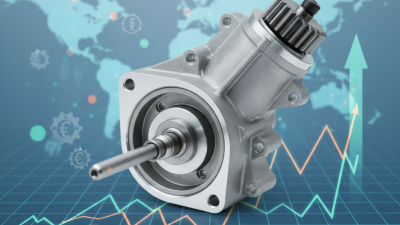
The automotive industry is undergoing significant change, particularly in the realm of Steering Gear Boxes. With the rise of electric vehicles and advanced driver-assistance systems (ADAS), the demand for innovative steering technologies is climbing. According to a recent report by Research and Markets, the global steering gear box market is expected to reach USD 25 billion by 2026, reflecting a compound annual growth rate (CAGR) of 4.5%. This growth highlights the importance of emerging trends in steering systems.

As noted by leading automotive expert Dr. Richard Thompson, "The future of steering gear boxes is not just about precision, but also adaptability." This statement underscores the need for manufacturers to remain agile. New materials and smart technologies are leading the charge. However, the rapidly changing landscape presents challenges. Many companies struggle to keep up with advancements. Some are still relying on outdated designs that may not meet current safety standards.

Emerging trends, such as integrated steering systems and autonomous vehicle compatibility, require careful adaptation. Companies must reflect continuously on their practices and technologies. In doing so, they can harness the potential of steering gear boxes in a transforming industry.
Top 10 Steering Gear Box Trends You Should Know?

Emerging Technologies in Steering Gear Box Design

The world of steering gear box design is evolving rapidly. New technologies are reshaping how these components function in vehicles. One major trend is the integration of electronic control systems. These systems enhance the precision and responsiveness of steering. Consequently, the driving experience becomes smoother and more intuitive.

Another exciting development is the use of lightweight materials. Advanced composites and alloys are now making their way into steering gear boxes. These materials reduce weight without sacrificing strength. This shift contributes to better fuel efficiency and handling characteristics. However, challenges remain in ensuring the durability of these materials under stress.

Moreover, software advancements play a pivotal role. Modern steering gear boxes can now communicate with other vehicle systems. This integration helps in delivering real-time data to drivers. Yet, relying on technology raises concerns about potential malfunctions. Each change in design prompts us to reflect on safety and reliability. Balancing innovation with practicality is key in this evolving field.

Top 10 Steering Gear Box Trends You Should Know

Trend Description Impact Emerging Technology
Electric Steering Systems Leverages electric motors for improved control. Enhanced fuel efficiency and reduced emissions. Power Assist Technology
Integration with Autonomous Vehicles Need for responsive steering feedback for self-driving systems. Improved safety and navigation accuracy. Automated Steering Algorithms
Advanced Materials Usage Utilization of lightweight and durable materials. Weight reduction leading to better fuel economy. Composite and Alloy Technology
Variable Gear Ratio Systems Adjusts gear ratios based on driving conditions. Enhanced driving experience and performance. Real-time Ratio Adjustment
Active Steering Systems Predictive steering adjustments for stability. Improved handling and cornering performance. Sensor Fusion Technology
Steering Wheel Controls Integration of technology into the steering wheel. Increased driver accessibility to vehicle systems. Haptic Feedback Systems
Enhanced Safety Features Wireless steering and safety systems for collision avoidance. Reduced accident rates and improved pedestrian safety. Collision Detection Technology
Smartphone Integration Connects with devices to customize driving settings. Personalized driving experience. Mobile Application Interface
Cloud-Based Systems Utilizes cloud data for vehicle performance analysis. Proactive maintenance and diagnostics. Predictive Analytics Software
Sustainability Initiatives Focus on eco-friendly manufacturing processes. Lower carbon footprint and environmental impact. Green Manufacturing Technologies

Advancements in Material Science for Enhanced Durability

Advancements in material science are revolutionizing the steering gear box industry. New composites and alloys are being developed to significantly enhance durability. A recent report from the Engineering and Technology Journal shows that using advanced materials can improve the lifespan of steering gear boxes by up to 30%. This improvement is crucial, as steering issues are a common cause of vehicle failures.

Furthermore, lightweight materials reduce overall vehicle weight. A lighter steering gear box can decrease fuel consumption by approximately 5%. However, while these materials offer benefits, they also pose challenges. Manufacturing processes need to adapt to handle these advanced materials effectively. Engineers are continuously exploring ways to overcome these challenges.

Testing these new materials requires rigorous evaluation. There is still room for improvement in understanding how these materials perform under extreme conditions. Long-term durability studies are essential to ensure safety and reliability. The journey of innovation in material science is ongoing, and the steering gear box sector must remain vigilant to capitalize on these advancements safely.

Electric Power Steering vs. Traditional Mechanical Systems

Electric power steering (EPS) is transforming the way vehicles handle. Unlike traditional mechanical systems, EPS uses an electric motor to assist steering, resulting in less weight and increased fuel efficiency. This system adjusts the level of power assist based on speed and driving conditions, allowing for a more adaptable driving experience.

While EPS offers many benefits, it also has drawbacks. The reliance on electronic components can lead to potential failures. Drivers may feel a lack of road feedback compared to mechanical systems. Some enthusiasts argue that traditional setups provide a more connected feel with the vehicle. Current trends show an increasing share of EPS systems in new models, though debates around driver preference continue.

As technology evolves, the choice between electric and mechanical systems becomes more complex. Developing a reliable EPS system that retains the nuances of traditional steering remains a challenge. Understanding these systems is crucial for both manufacturers and consumers. Each option presents unique advantages, prompting ongoing discussions within the automotive community.

Comparison of Electric Power Steering vs. Traditional Mechanical Systems

The Impact of Autonomous Vehicles on Steering Gear Box Innovation

Top 10 Steering Gear Box Trends You Should Know?

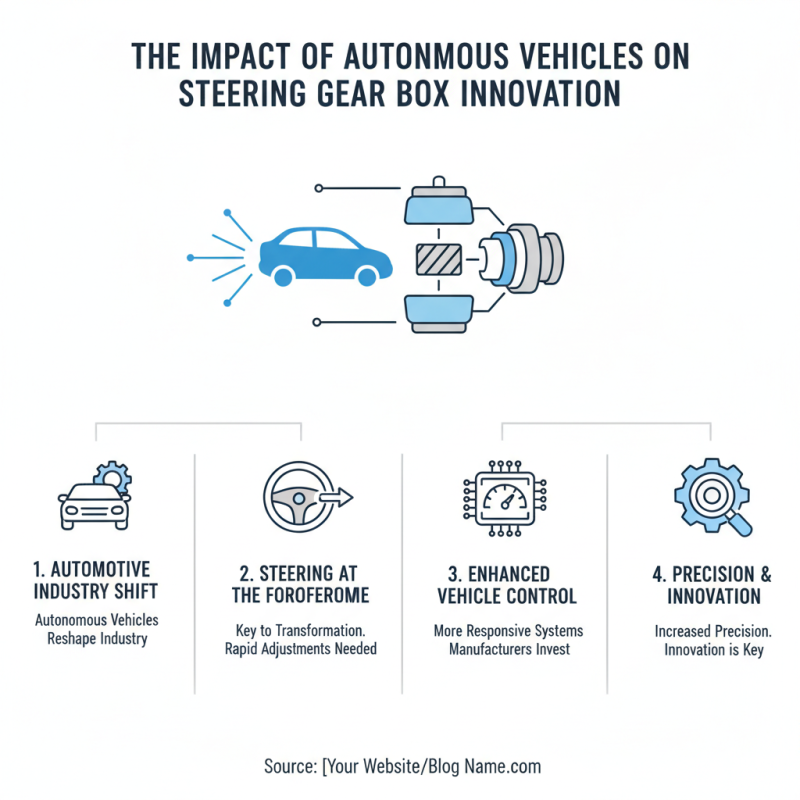
The rise of autonomous vehicles is reshaping the automotive industry in profound ways. Steering gear boxes are at the forefront of this transformation. These components must adjust rapidly to accommodate advanced driving technologies. Manufacturers are investing in more responsive systems to enhance vehicle control. Innovation is key as the need for precision increases.

With more vehicles equipped for autonomy, steering gear boxes must evolve. The integration of artificial intelligence allows for adaptive steering responses. This tech offers better handling and safety features. The challenge lies in ensuring these systems are reliable. Engineers are tackling this by using rigorous testing methods.

Tips for staying updated in this field: Follow industry trends regularly. Participate in forums to connect with experts. Experiment with prototypes to understand practical applications. Embrace feedback from real-world testing to improve design. This iterative process fosters innovation. As trends emerge, be prepared for continuous learning and adaptation.

Sustainability Trends in Steering Gear Manufacturing Practices

Top 10 Steering Gear Box Trends You Should Know?

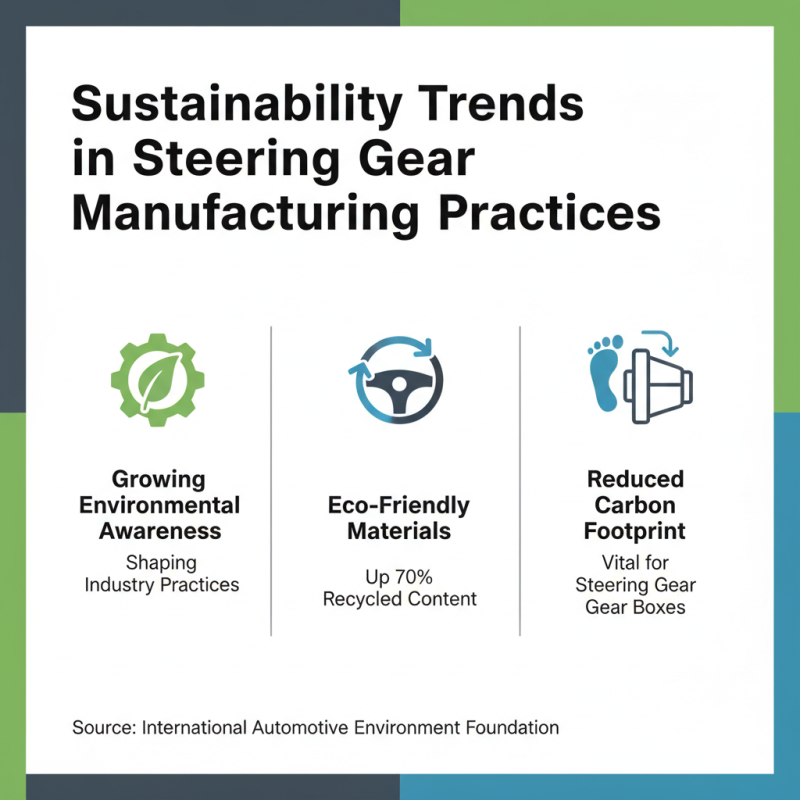
Sustainability trends in steering gear manufacturing are increasingly shaping the industry. As awareness around environmental impact grows, many manufacturers are exploring eco-friendly materials. According to a recent report by the International Automotive Environment Foundation, up to 70% of automotive parts can now use recycled materials. This shift is vital for reducing the carbon footprint of steering gear boxes.

Energy-efficient production methods are also gaining traction. Reports indicate that manufacturers are reducing energy use by 30% through advanced machinery. Such innovations not only cut costs but also minimize environmental effects. However, many facilities still rely on outdated equipment, which conflicts with sustainability goals. This discrepancy highlights the need for industry-wide improvements.

Besides materials and energy efficiency, waste management plays a significant role. Many companies are adopting circular economy principles. Yet, about 40% of waste from manufacturing processes ends up in landfills. Implementing better recycling methods can enhance overall sustainability. The path ahead is not without challenges; manufacturers must continually evaluate their practices to meet evolving standards.