Leave Your Message
-
Phone
-
E-mail
-
Whatsapp
-
Wechat
Steering systems rarely fail without warning. A loose center, uneven tire wear, or fluid marks near the gearbox can signal trouble. In 2026, buyers face many steering gear box types, including recirculating-ball, rack-and-pinion, hydraulic, electric, and electronically assisted designs. Each type suits different vehicles, road conditions, and repair strategies.
This guide examines their construction, operating feel, compatibility, maintenance needs, and expected service life. It also explains how vehicle weight, steering ratio, seal quality, labor rates, and remanufacturing standards influence the Steering Gear Box Price. A commercial truck unit may cost far more than a compact-car assembly, even when both appear similar in online photographs. That detail is easy to miss.
Real purchasing experience shows that the cheapest listing is rarely the complete cost. Shipping, core charges, new hoses, alignment, calibration, and diagnostic testing can change the final invoice. Some remanufactured units perform reliably, while others may require careful warranty review. Quality is not always visible from the product page.
Prices in this guide reflect practical market ranges, not guaranteed quotations. Regional supply, exchange rates, brand reputation, and vehicle age can shift them quickly. Readers should confirm part numbers against the vehicle identification number and compare supplier policies before ordering. A professional inspection remains valuable, especially when symptoms could originate from suspension joints or electrical sensors instead. Small assumptions can become expensive mistakes.
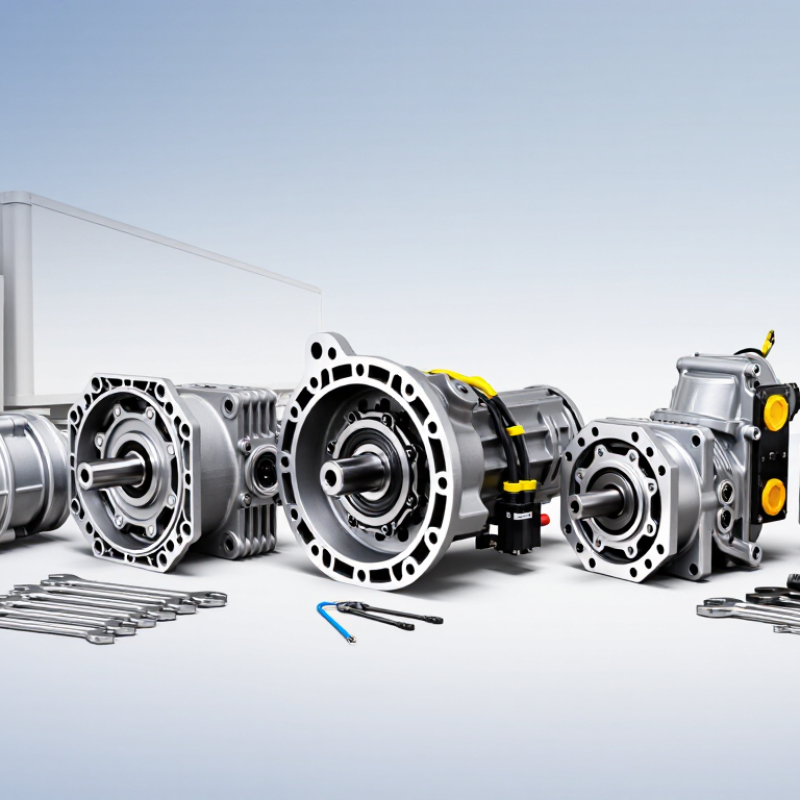
A steering gear box converts the driver’s steering input into controlled movement at the road wheels. It also multiplies torque, making heavy vehicles easier to guide at low speed. The housing supports internal gears, bearings, seals, and an output shaft. Small errors inside can create noticeable looseness at the steering wheel.
Common designs include rack-and-pinion units and recirculating-ball gear boxes. Rack-and-pinion systems suit many passenger vehicles because they are compact and provide direct response. Recirculating-ball systems handle higher loads and remain common in trucks and utility vehicles. Both designs must transfer force smoothly while limiting unwanted play. They also need to return useful road feedback without transmitting harsh impacts.
During a practical inspection, technicians check fluid leakage, mounting movement, unusual noise, and steering-centre stability. A worn seal may appear minor, yet it can allow contamination into the gear chamber. That often accelerates internal wear. Do not ignore a vague steering feel. It may come from the gear box, linkage, alignment, or suspension. Diagnosis should separate these causes before replacement.
Price depends on gear type, material quality, machining accuracy, seals, and whether the unit is new or remanufactured. Installation can add significant cost because adjustment and alignment may be required. One imperfect assumption deserves attention: a higher price does not automatically prove better steering performance. Compatibility, measured backlash, load rating, and verified quality records matter more.
Steering gear boxes convert the driver's steering-wheel rotation into controlled directional movement at the road wheels. The most suitable design depends on vehicle weight, steering ratio, available installation space, assist technology, road-load requirements, and electronic compatibility.
| Steering Gear Type | Typical Vehicle Use | Operating Principle | Typical Steering Ratio | Assist Method | Indicative 2026 Replacement Price (USD) |
Main Advantages | Common Limitations |
|---|---|---|---|---|---|---|---|
| Manual Recirculating-Ball Gearbox | Older passenger vehicles, light trucks, utility vehicles | A worm shaft moves a ball nut through recirculating steel balls, rotating the sector shaft. | Approximately 20:1–24:1 | None; driver input only | $180–$650 | Durable, mechanically simple, and suitable for high steering loads. | Higher steering effort, more mechanical friction, and slower response than modern systems. |
| Hydraulic Recirculating-Ball Gearbox | Pickup trucks, heavy SUVs, commercial vehicles | Hydraulic fluid applies assist pressure to a piston integrated with the ball-nut and sector-shaft mechanism. | Approximately 14:1–22:1 | Engine-driven hydraulic pump | $450–$1,400 | High load capacity, good durability, and strong assist at low speed. | Requires fluid, hoses, seals, and a pump; parasitic engine load may reduce efficiency. |
| Hydraulic Rack-and-Pinion Gear | Passenger cars, crossovers, light commercial vehicles | A pinion turns a toothed rack while hydraulic pressure assists rack movement through an integral piston. | Approximately 12:1–18:1 | Engine-driven hydraulic pump | $350–$1,200 | Compact layout, precise road feel, and relatively quick steering response. | Sensitive to fluid contamination, seal wear, and rack-bar corrosion. |
| Electric Power Steering Rack | Modern passenger cars, crossovers, and many electric vehicles | An electric motor and control unit apply torque directly to the column, pinion, or rack. | Approximately 12:1–20:1 | Electric motor controlled by sensors and software | $700–$2,500 | Improves fuel or battery efficiency, supports driver-assistance functions, and needs no hydraulic fluid. | Higher electronic complexity, possible calibration requirements, and expensive control components. |
| Electric Column-Assist Gear | Small cars, compact vehicles, and low-to-medium load applications | A motor mounted on the steering column adds torque before it reaches the steering gear. | Approximately 15:1–22:1 | Electric motor on steering column | $400–$1,300 | Low cost, compact packaging, and low electrical power demand compared with rack-assist systems. | Less suitable for high front-axle loads and may transmit more column noise or vibration. |
| Electric Pinion-Assist Rack | Mid-size cars, SUVs, and performance-oriented vehicles | A motor applies assist torque directly at the pinion while electronic sensors regulate steering effort. | Approximately 12:1–18:1 | Electric motor at pinion | $800–$2,000 | Good steering feel, scalable assist, and compatibility with lane-centering systems. | Requires precise sensor alignment and electronic initialization after replacement. |
| Heavy-Duty Integral Hydraulic Gear | Buses, medium-duty trucks, vocational vehicles | A reinforced recirculating-ball mechanism combines steering control and hydraulic assist in one housing. | Approximately 18:1–30:1 | High-pressure hydraulic system | $1,000–$3,500 | Designed for high axle loads, frequent operation, and demanding commercial service. | Large, heavy, costly, and dependent on correct hydraulic pressure and fluid condition. |
| Function | What It Does | Why It Matters |
|---|---|---|
| Torque Multiplication | Transforms relatively low steering-wheel torque into greater output torque at the wheels. | Reduces driver effort, especially during low-speed maneuvering. |
| Steering Ratio Control | Controls how much the road wheels turn for a given steering-wheel movement. | Balances parking ease, straight-line stability, and steering response. |
| Directional Conversion | Converts rotational input into sector-shaft or rack-and-pinion movement. | Transfers driver commands to the steering linkage. |
| Assist Regulation | Adjusts hydraulic or electric assistance according to speed, torque, and operating conditions. | Provides lighter steering during parking and firmer control at higher speeds. |
| Road-Feel Transmission | Allows controlled feedback from the tires and road surface to reach the driver. | Helps the driver sense grip, alignment, and vehicle response. |
Price note: Prices are indicative 2026 replacement-unit ranges in U.S. dollars for the steering gear or rack assembly only. Actual prices vary by vehicle application, new or remanufactured condition, load rating, electronic calibration, shipping, taxes, and installation labor.