Best Power Steering Gear Types for Your Vehicle in 2026?
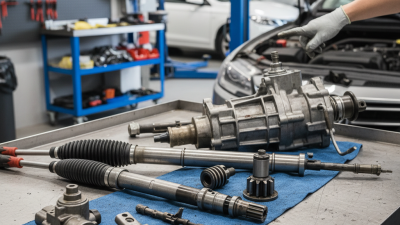
In the ever-evolving automotive industry, choosing the right Power Steering Gear is crucial. By 2026, advancements in technology will further influence vehicle safety and handling. As noted by industry expert, John Carter, "The right steering gear can transform driving dynamics." This emphasizes the importance of understanding different gear types.
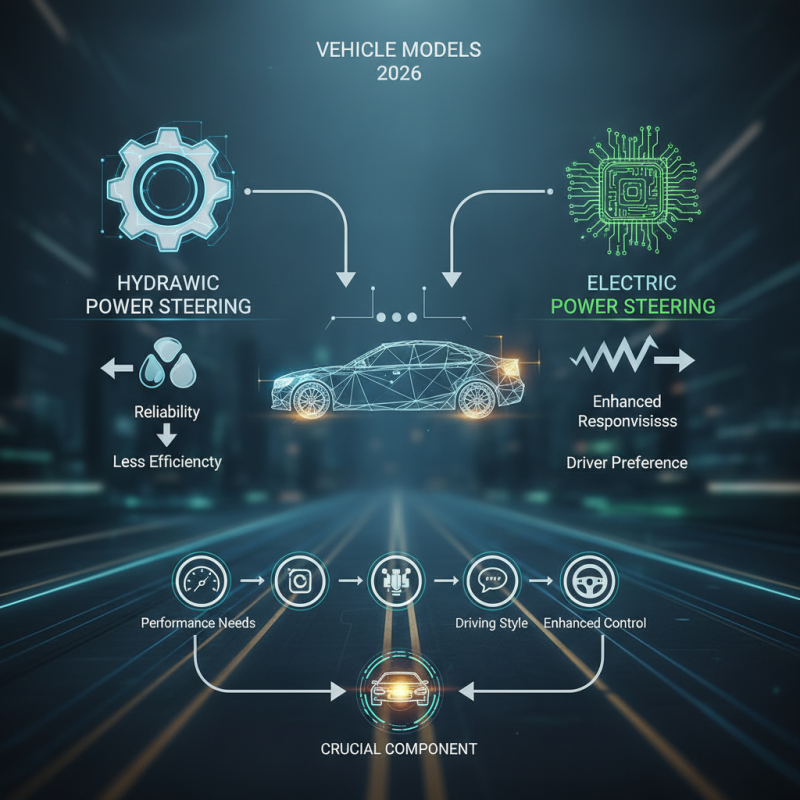
Various types of Power Steering Gears exist, each with unique benefits. Traditional hydraulic systems offer reliability but lack efficiency. Conversely, electric power steering systems provide enhanced responsiveness. Yet, they may not suit all drivers' preferences. Understanding these nuances is necessary as vehicle models diversify in the coming years.
While selecting a Power Steering Gear, consider your vehicle’s performance needs. Don't rush the decision. Analyze various features and your driving style. It’s easy to overlook essential details in this critical component. The right choice can lead to enhanced control while driving, making this choice a vital one for every car owner.
Best Power Steering Gear Types Overview for Vehicles in 2026
In 2026, the landscape of power steering gear options has evolved significantly. Gear types have shifted to meet modern driving demands. Electric power steering (EPS) leads the charge, offering both efficiency and precision. EPS systems adjust steering based on speed, providing drivers with a tailored experience. Many manufacturers prefer EPS for its reduced weight and energy consumption.
Another notable option is hydraulic power steering (HPS). Despite being less popular, HPS remains relevant. It offers a direct feel that some enthusiasts cherish. This traditional system operates using fluid pressure, but it can be heavier and less efficient than EPS. The debate between EPS and HPS continues among car enthusiasts and engineers alike.
A newer entrant is the steer-by-wire system. This advanced technology eliminates mechanical connections. It relies entirely on electronic signals, allowing for innovative features like personalized steering responses. However, some drivers may find this lack of physical feedback disconcerting. Manufacturers must prioritize reliability and safety in these systems. Each power steering gear type has its pros and cons. Understanding these differences is essential for making informed vehicle choices.
Comparative Analysis of Rack-and-Pinion vs. Recirculating Ball Steering
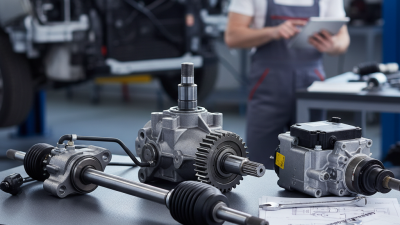
When it comes to steering systems, two prominent types often come into play: rack-and-pinion and recirculating ball steering. Rack-and-pinion systems are known for their simplicity and efficiency. They offer precise control, making them popular in modern vehicles. Reports indicate that up to 80% of new cars use this system due to its lightweight design. This contributes to better fuel efficiency and a more responsive driving experience.
On the other hand, recirculating ball steering is commonly found in larger vehicles like trucks and SUVs. This system offers durability and strength for heavy-duty applications. However, it can lack the precision of rack-and-pinion setups, leading to a less responsive feel. Some studies suggest that while this method provides robustness, it can also contribute to greater driver fatigue over long distances. Drivers have reported a sense of vagueness, which may require more effort to navigate.
Choosing the right system for your vehicle largely depends on intended use. If precision and fuel efficiency are priorities, rack-and-pinion may be the way to go. But for towing and heavy loads, recirculating ball systems offer unmatched strength. As the automotive industry evolves, understanding these options is critical for making informed decisions.
Best Power Steering Gear Types for Your Vehicle in 2026
| Feature |
Rack-and-Pinion |
Recirculating Ball |
| Steering Precision |
High |
Moderate |
| Weight |
Lightweight |
Heavier |
| Cost |
Typically Lower |
Higher |
| Maintenance |
Lower |
Higher |
| Turning Radius |
Tighter |
Wider |
| Driving Experience |
Sporty |
Comfortable |
Key Benefits of Electric Power Steering in Modern Vehicles
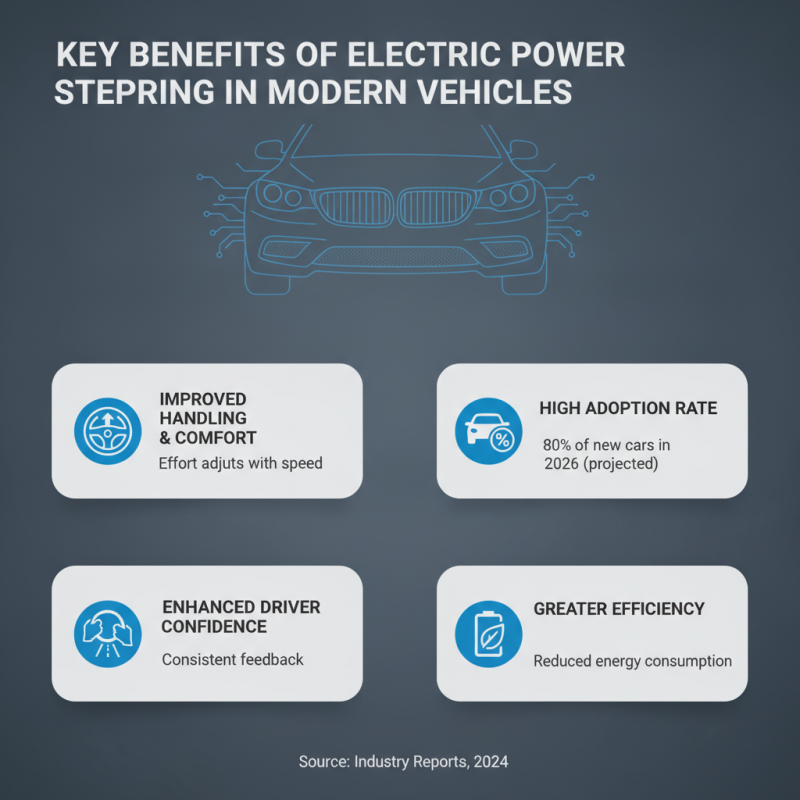
Electric power steering (EPS) is rapidly revolutionizing vehicle control. Reports indicate that around 80% of new cars in 2026 will feature some form of EPS. This shift is primarily driven by consumer demand for improved handling and comfort. EPS systems adjust the steering effort based on speed, providing lighter steering in parking scenarios and firmer feedback at high speeds. This variability enhances driver confidence and overall experience.
One notable benefit of EPS is its efficiency. Studies show that EPS can improve overall fuel efficiency by 3-5% compared to traditional hydraulic systems. This reduction comes from the elimination of a constantly running pump. Additionally, the compact design of EPS systems saves space under the hood, allowing for more room for other technologies. However, challenges remain in the transition process. Some drivers report a lack of road feel, especially in base models of vehicles equipped with EPS. This feedback signals a need for further refinement in technology.
EPS systems are also linked to advanced driver-assistance systems (ADAS). The integration of EPS with ADAS can enhance features like lane-keeping assistance and automatic parking. However, there is a learning curve for drivers accustomed to traditional systems. Workshops and training may be necessary to help users adapt to the nuances of EPS. The future of steering gear is promising, but it will require continuous feedback and improvement.
Impact of Steering Gear Selection on Vehicle Performance and Handling
When selecting the right power steering gear for your vehicle, remember that the impact on performance and handling is profound. Different gear types can affect responsiveness, feedback, and overall driving experience. For instance, a rack-and-pinion gear often enhances control and sharpness. It is suitable for sportier vehicles, providing a direct connection between the steering wheel and the tires.
Choosing the right power steering gear type is not just about preference. It involves understanding how it will affect your vehicle's dynamics. Factors like weight distribution and driving conditions can change how your steering feels and responds. For example, a variable gear ratio can adapt to different speeds. This feature may improve handling during quick maneuvers but may require adjustments for comfortable cruising.
Tips: Always test drive vehicles with different steering gear types. Pay attention to how responsive it feels in turns. If it feels vague, reconsider your choice. Also, consult with auto professionals for insights tailored to your needs. Your preference can evolve based on experience, so continuous learning is essential for making informed decisions.
Emerging Technologies in Power Steering Systems for 2026 Automobiles
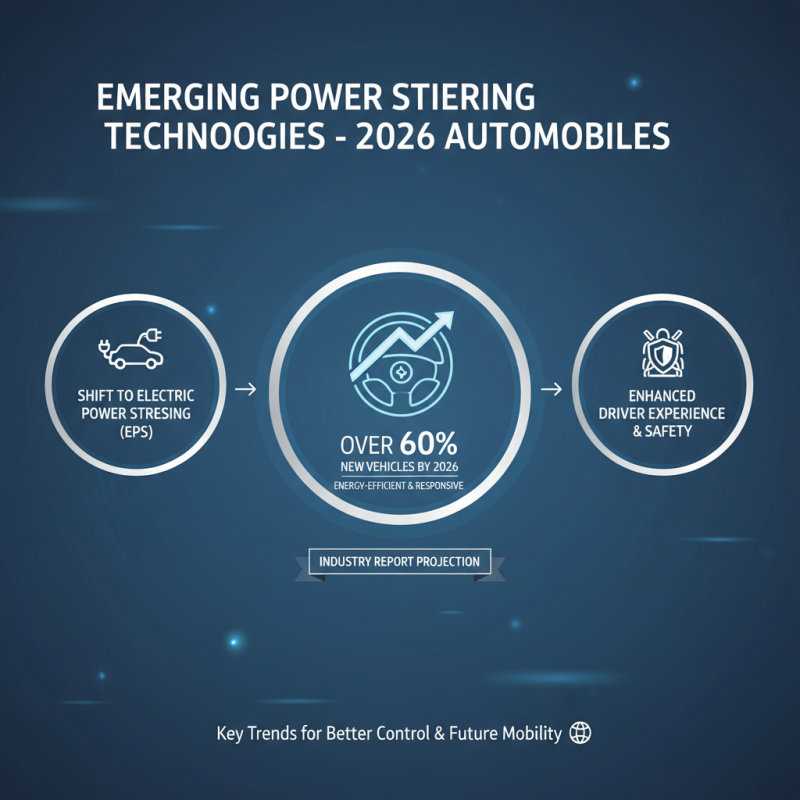
The automotive industry is witnessing a shift in power steering technologies as we approach 2026. Emerging innovations focus on enhancing driver experience and vehicle safety. One key trend is the integration of electric power steering (EPS) systems. According to a recent industry report, EPS systems are projected to account for over 60% of new vehicles by 2026. This rise reflects a growing demand for energy-efficient solutions that provide better control and response.
Another significant advancement is the adoption of steer-by-wire technology. This system eliminates traditional mechanical links between the steering wheel and wheels. Studies highlight its potential for weight reduction and increased design flexibility, offering manufacturers new possibilities. However, some experts raise concerns about the reliability of electronic components in harsh conditions. This reliance on sophisticated electronics requires rigorous testing and validation.
Active steering systems are also emerging, offering dynamic adjustments based on driving conditions. They can enhance maneuverability in tight spaces and improve stability at high speeds. Current estimates suggest these technologies could enhance handling performance by up to 25%. Nevertheless, the ongoing challenge remains ensuring driver trust in these systems, as many still favor conventional setups. The evolution of power steering systems is an ongoing journey, marked by innovation and cautious reflection.