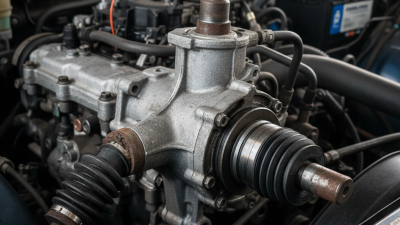
Choosing a China-based supplier for Mitsubishi Steering Boxes calls for more than comparing prices. These steering components must match the vehicle’s application, mounting points, and steering configuration. A box that looks correct on a pallet may still create fitment problems during installation. Details matter.
A capable supplier should explain how it identifies parts, checks dimensions, and handles production quality. Ask for clear product specifications, application information, and inspection records where available. Photographs of the housing, ports, and mounting surfaces can help clarify what is being offered. They do not replace technical verification, though. That distinction is easy to overlook.
This guide looks at practical ways to assess a Mitsubishi Steering Boxes supplier in China. It considers product consistency, communication, documentation, and support after an order ships. Experience with automotive components can be useful, but confident sales language alone is not proof of expertise. Request specific answers. Compare them carefully.
No supplier is right for every buyer. Vehicle variants, order volume, delivery expectations, and service needs all affect the decision. Even a well-prepared checklist cannot remove every uncertainty; that is worth admitting. The aim is to make sourcing more informed by focusing on verifiable details and realistic expectations, rather than promises that sound impressive but lack evidence.
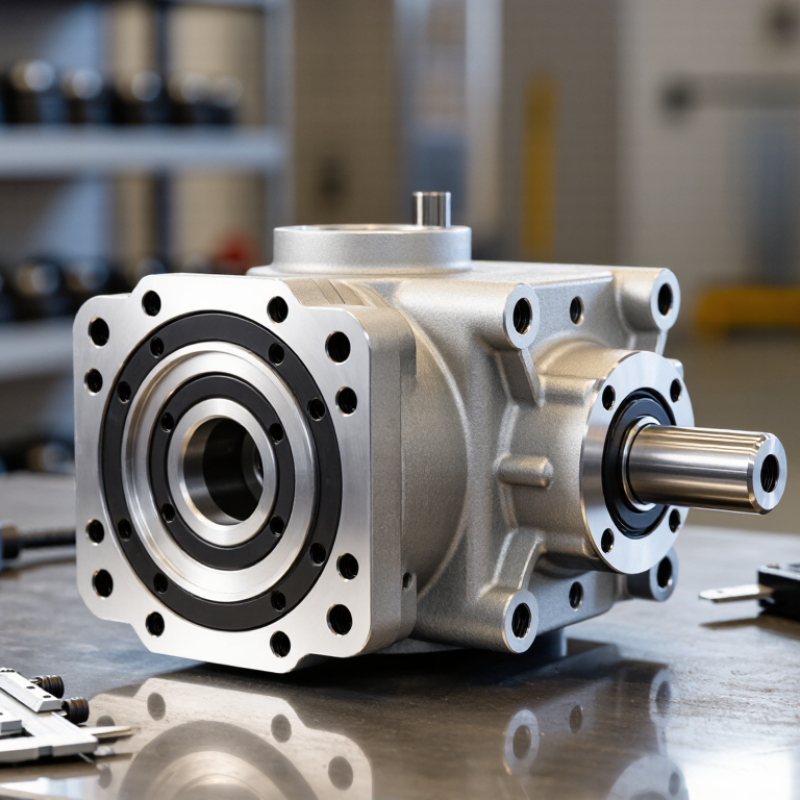
A steering box turns the driver’s steering-wheel rotation into movement that pivots the front wheels. Inside, a worm shaft and sector mechanism, or a recirculating-ball design, transfer that motion through the steering linkage. Some boxes are manual; others use hydraulic assistance to reduce steering effort. The exact layout depends on the vehicle. A worn box may cause excess play, uneven steering, or a knock near the front axle, but these symptoms can also come from loose joints or worn tires.
In a hydraulic system, fluid pressure helps move an internal piston as the driver turns. Seals, bearings, and adjustment points all affect how smoothly the box responds. Small parts matter. A leak around the housing can lower fluid levels, while incorrect adjustment may make steering feel tight or leave too much free play. Diagnosis is not always neat; related components should be checked before replacing the box.
Tips Check for fresh fluid around the box and listen for clunks during slow turns. Compare steering feel in both directions. Do not tighten an adjustment screw by guesswork; excess preload can speed up wear. If the cause remains unclear, have the steering linkage and box inspected together.
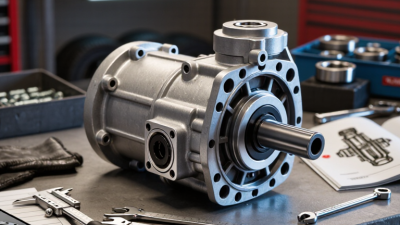
A steering box’s key specifications determine fit, steering feel, and dependable operation. Fitment comes first. Check the vehicle application, mounting-hole spacing, housing dimensions, input-shaft spline count, and pitman-shaft taper before ordering. Small errors matter. A box may look correct on a bench yet fail to connect properly with the steering column or linkage. Record measurements from the original unit, including shaft diameter and exposed length, rather than relying on photographs alone. Confirm whether the vehicle uses manual steering or hydraulic assist, since internal designs and fluid requirements can differ.
Steering ratio affects how many turns the wheel needs and how quickly the road wheels respond. There is no single ideal ratio; the correct value depends on the vehicle’s original setup. Compare the specified ratio, permitted input torque, and hydraulic pressure rating with reliable application data. Inspect the housing for cracks, shaft surfaces for wear, and seals for signs of leakage. Check for excessive free play, too. A small amount may be difficult to judge without the right procedure, so measured test results are more useful than guesswork. Specifications can vary across model years, and that detail is easy to miss. Verify each part number and dimension against the exact vehicle before installation.
General reference for steering gear boxes. Specifications and fitment vary by vehicle application; confirm against the vehicle manufacturer’s service data before selection or installation.
| Specification | General Details | Selection or Inspection Notes |
|---|---|---|
| Gear mechanism | Many steering gear boxes use a recirculating-ball mechanism; other designs may be used depending on the vehicle. | Match the replacement unit to the original steering system and vehicle configuration. |
| Assist type | Manual or hydraulic power-assisted, depending on the vehicle application. | Do not substitute a manual unit for a power-assisted system, or vice versa, without an approved conversion. |
| Steering ratio | Application-specific; the ratio is not universal across steering gear boxes. | Verify the specified ratio or part number to preserve the intended steering response. |
| Input connection | The input shaft and coupling interface vary by application. | Check shaft profile, spline count, coupling style, and alignment against the original unit. |
| Output connection | The sector shaft connects the steering gear to the steering linkage; its dimensions and orientation are application-specific. | Confirm shaft diameter, spline or pitman-arm interface, and installation orientation. |
| Hydraulic ports | Power-assisted units have pressure and return connections; port type and position vary. | Check thread, sealing method, port location, and hose routing before installation. |
| Mounting points | Housing shape, mounting-hole spacing, and bracket arrangement are vehicle-dependent. | Compare mounting locations and housing clearance with the original gear box. |
| Fluid and bleeding | Use only the power-steering fluid specified for the vehicle; bleeding procedures vary by system. | Follow the service procedure and avoid running the pump without the required fluid. |
| Operating pressure | System pressure is determined by the pump and vehicle design; there is no single pressure specification for all gear boxes. | Use the vehicle service specification for pressure testing; incorrect pressure can affect steering performance or damage components. |
| Common inspection points | Check for fluid leaks, excessive free play, binding, damaged seals, and abnormal noise. | Inspect related hoses, pump, steering linkage, and mounting hardware when diagnosing a fault. |
Chinese steering-box suppliers typically begin with incoming checks for material certificates, dimensions, and visible defects. Housings are cast or forged, then machined to drawing tolerances. Operators inspect critical surfaces with gauges and coordinate-measuring equipment. Cleanliness matters: a small metal chip can affect gear movement or seal life. During assembly, technicians fit gears, bearings, seals, and fasteners in a controlled sequence. They check alignment and turning feel at several stages. Small details matter.
Finished units undergo functional tests on dedicated benches. Technicians measure input torque, output movement, backlash, and smoothness across the specified range. Hydraulic designs also receive pressure and leakage checks. Some production programs include endurance cycles, temperature exposure, or vibration tests. Results should be recorded by batch, with failed units held for investigation rather than simply adjusted and returned. No test catches everything. Bench results cannot fully reproduce road conditions, so suppliers should review field feedback and update inspection points. The process is demanding, and occasional variation still deserves honest attention.
When evaluating a steering-box supplier in China, inspect process control, not just price. Ask for dimensional inspection records, material certificates, and test results for backlash, torque, and leakage. A sample should operate smoothly through repeated left-to-right turns, with no binding or unusual noise. Request traceability from raw material batch to finished unit. This matters. OICA reported 93.5 million motor vehicles produced worldwide in 2023, showing the scale and complexity of the automotive supply chain. That figure does not prove any supplier’s capability; it makes plant-level evidence essential.
Review the supplier’s quality system, corrective-action records, and change-control process. Confirm how it handles worn tooling, late material, and failed tests. IATF 16949 certification can indicate structured automotive quality controls, but it cannot replace an audit of the actual production line. Check that test equipment has current calibration and that inspection limits match your drawings. Ask for recent delivery and defect data, then compare the figures with your own acceptance criteria. A neat presentation can hide weak records. I would also inspect a production shift, not only a prepared sample. OICA, 2023 Production Statistics.
Sourcing a steering box in China should begin with clear vehicle and operating details. Share the chassis code, production year, steering position, and photographs of the existing unit. Ask suppliers to confirm housing material, input shaft dimensions, mounting points, and inspection procedures. A detailed quotation should identify what is included, such as seals, adjustment, and packaging. Small details matter.
Compatibility needs more than a matching product photo. Compare spline count, shaft diameter, port positions, and mounting-hole spacing against the original part. Check whether the box suits the vehicle’s steering system and intended workload. When possible, request dimensional drawings or a sample for workshop verification before placing a larger order. A neat catalog can still miss a small revision between model years, and that oversight can delay installation.
After-sales support should be discussed before payment. Confirm the warranty period, evidence required for a claim, and who covers replacement shipping. Ask for installation guidance, adjustment limits, and a named contact for technical questions. Keep photos, measurements, and batch details with the purchase record. Responses may be slower across time zones, so agree on a practical reply window. That takes time. But clear records make faults easier to assess, even when the cause is uncertain.