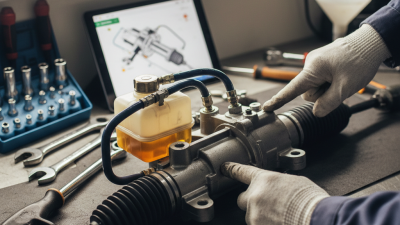
Top 10 Steering Gearbox Suppliers for Global Buyers
Choosing a reliable Steering Gearbox supplier can influence vehicle safety, handling, uptime, and long-term maintenance costs. Global buyers often compare manufacturers across different markets, currencies, standards, and delivery conditions. A strong product on paper may still fail during installation or field service.
This guide reviews ten leading Steering Gearbox suppliers for international purchasing teams. It considers engineering capability, product range, manufacturing experience, quality controls, testing processes, customization support, and after-sales responsiveness. Buyers may examine housing materials, gear precision, sealing performance, torque capacity, and compatibility with heavy-duty applications. Factory audits, sample testing, traceable documentation, and clear warranty terms also deserve attention. Small details matter. A delayed seal can stop a vehicle fleet.
The list should not be treated as an absolute ranking. Supplier visibility varies by region, and public information is sometimes incomplete. A company with strong export records may not suit every steering system or operating climate. That requires careful verification. Buyers should request technical drawings, test reports, production lead times, and references from comparable projects. Price alone can hide serious risks. In my view, the most dependable decision balances performance, compliance, service access, and realistic total cost. Even experienced teams can overlook communication gaps or replacement-part availability. That is worth reconsidering before signing a contract.
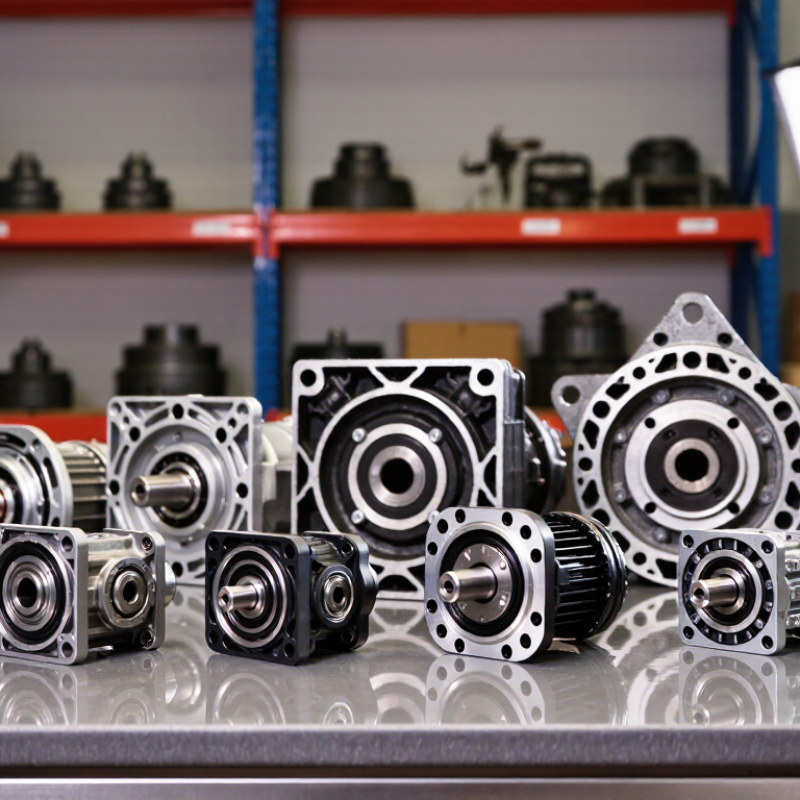
Steering Gearbox Fundamentals: Types, Torque Ratings, and 4:1 Ratios
Steering gearboxes convert steering-wheel input into controlled road-wheel movement.
Common designs include rack-and-pinion, recirculating-ball, and worm-and-sector units. Rack-and-pinion systems usually offer direct response and lower weight. Recirculating-ball designs tolerate higher loads, making them suitable for heavy vehicles. The choice depends on axle load, packaging, backlash, and service conditions.
Torque rating deserves closer attention.
A gearbox should withstand peak impact loads, not only normal turning effort. SAE J670 defines key vehicle-dynamics terms, while ISO 16750 provides guidance for vibration, temperature, and environmental testing. These references help buyers compare test methods, but they do not replace application-specific validation. A 1,000 Nm rating may still be inadequate if shock loads or poor lubrication occur.
A 4:1 steering ratio means the input shaft turns four times for one output revolution.
It can create quick response, but it also increases steering effort and sensitivity. That trade-off is often underestimated. The 2024 IEA Global EV Outlook reported more than 14 million electric-car sales in 2023, representing about 18% of global car sales. Heavier battery vehicles can demand stronger steering components and careful torque margins. Buyers should request torque curves, fatigue-test hours, backlash limits, and failure-mode data. A catalogue number alone is not enough. Performance can change significantly after installation.
Global Market Data: Vehicle Production Exceeded 93 Million Units in 2023
Global vehicle production exceeded 93 million units in 2023, increasing demand for dependable steering gearboxes across passenger and commercial vehicles. This volume affects more than assembly lines. It also raises pressure on sourcing teams to secure stable capacity, consistent tolerances, and documented quality.
A practical top-ten supplier review should examine torque ratings, housing materials, corrosion resistance, and thermal performance. Testing should include repeated steering cycles, vibration exposure, oil leakage checks, and low-temperature operation. A gearbox may pass a laboratory test but behave differently after months of dust, heat, and uneven roads. That detail matters.
Experienced buyers should request traceable inspection records, production samples, and clear replacement-part policies. Delivery capacity deserves equal attention. A supplier serving several regions may offer stronger logistics, but its lead times can still change during demand spikes. Forecasting is useful, although never perfect. Some purchasing teams focus too heavily on price and overlook machining consistency. That can create difficult field repairs later. A reliable shortlist combines engineering evidence, factory experience, communication quality, and after-sales responsiveness. It should also be reviewed regularly, because vehicle platforms, safety expectations, and regional operating conditions continue to change.
Top Vehicle-Producing Markets in 2023
Global vehicle production reached approximately 93.55 million units in 2023. The largest production markets represent important demand centers for steering gearboxes and related automotive components. Data source: International Organization of Motor Vehicle Manufacturers (OICA), 2023 production statistics.
Supplier Evaluation Standards: IATF 16949, ISO 9001, and IP Ratings
Top 10 Steering Gearbox Suppliers for Global Buyers
Supplier evaluation should begin with evidence, not a polished brochure. IATF 16949 demonstrates automotive quality-system discipline, including risk control, traceability, and process monitoring. ISO 9001 supports broader quality management, but it does not guarantee steering gearbox performance. The ISO Survey of Certifications 2022 recorded more than 1.2 million ISO 9001 certificates worldwide, showing its reach but also its limited differentiation. Ask suppliers for current certificates, audit scope, and manufacturing-site details.
For electrically assisted steering assemblies, IP ratings should follow IEC 60529 test methods. An IP67 claim may indicate dust protection and temporary water immersion resistance. However, test duration, connector design, cable routing, and sealing material still matter. During supplier audits, review PPAP records, end-of-line test data, gear backlash measurements, and corrective-action history. A certificate can age badly. I have seen capable suppliers lose control after changing a machining subcontractor.
Tips:
Request three recent lot reports. Check whether the certificate covers the actual gearbox plant. Confirm IP tests match real vehicle exposure, including mud, salt, vibration, and thermal cycling. Do not accept “IP-rated” without the exact rating and test conditions. Minor document gaps are not always fatal, but unexplained gaps deserve a second audit.
Top 10 Steering Gearbox Suppliers: Products, Capacity, and Global Reach
For global buyers, the top ten steering gearbox suppliers should be judged beyond catalog breadth. Production capacity, testing discipline, and export consistency matter more. OICA recorded approximately 93.5 million motor vehicles produced worldwide in 2023. That volume keeps replacement and original-equipment demand active across commercial vehicles, passenger cars, and off-road platforms. Industry forecasts from MarketsandMarkets place the global automotive steering system market on a steady growth path through 2028, although gearbox-only figures remain less transparent.
Capacity is visible through tooling depth, machining automation, and documented annual output. A reliable supplier should provide torque curves, backlash limits, corrosion results, and traceability for each batch. Factory audits should examine heat treatment, seal installation, and end-of-line testing. Small details matter. One loose bearing can create steering noise after thousands of kilometers. Global reach also requires regional warehouses, multilingual technical support, and stable delivery records. UN Comtrade data for HS 870894 can help buyers compare international trade flows, but the code includes several steering components, not only gearboxes. That limitation deserves attention. A practical top-ten comparison should therefore combine customs data, audited capacity, warranty evidence, and field experience. Some rankings will remain imperfect because private suppliers rarely publish complete production numbers. Buyers should request recent certificates, sample inspection reports, and references from similar vehicle programs before signing long-term contracts.
Buyer Comparison Metrics: MOQ, Lead Time, Warranty, and Total Cost of Ownership
Top 10 Steering Gearbox Suppliers for Global Buyers
Buyer Comparison Metrics: MOQ, Lead Time, Warranty, and Total Cost of Ownership
Choosing among the top ten steering gearbox suppliers requires more than comparing unit prices. A low quotation may hide tooling fees, inspection charges, or expensive replacement parts. Buyers should record each supplier’s minimum order quantity, production capacity, and export experience. MOQ matters most for small distributors and pilot projects. A supplier requiring 500 units may not suit a buyer testing 50 units.
Lead time should be measured from approved drawings, not from the first inquiry. Ask for separate estimates covering sampling, production, and shipping. For example, a realistic schedule might include ten days for samples and thirty-five days for batch production. Confirm how suppliers handle delayed components. Written answers are more reliable than optimistic sales promises.
Warranty terms need careful reading. Check coverage length, excluded failures, claim evidence, and response time. A twelve-month warranty is weak if replacement parts take eight weeks. Total cost of ownership includes freight, installation labor, lubrication, downtime, returns, and service training. Request field failure data when available. It reveals more than polished brochures. No comparison is perfect. Some suppliers provide incomplete cost information, and buyers may overlook local service expenses. Recheck every figure using the same operating conditions, annual volume, and delivery destination. A simple spreadsheet can expose the cheapest-looking offer as the costliest choice.
Top 10 Steering Gearbox Suppliers for Global Buyers - Buyer Comparison Metrics: MOQ, Lead Time, Warranty, and Total Cost of Ownership
Anonymized benchmark comparison of established steering gearbox supplier profiles for commercial vehicles, industrial equipment, agricultural machinery, and off-road applications.
| Rank |
Anonymous Supplier Profile |
Typical Product Focus |
MOQ
(Units) |
Sample Lead Time
(Days) |
Production Lead Time
(Days) |
Warranty
(Months) |
Rejection Rate
(Typical) |
Landed Unit Cost
(USD) |
5-Year TCO
(USD/Unit) |
Buyer Value
Score / 100 |
| 1 |
Profile A — Premium OE-Grade Manufacturer |
Heavy trucks and buses |
50 |
14 |
30 |
24 |
≤0.5% |
$480–$650 |
$690–$880 |
91 |
| 2 |
Profile B — Certified Global Tier-1 Supplier |
Commercial vehicles |
100 |
18 |
35 |
24 |
≤0.7% |
$420–$590 |
$650–$850 |
89 |
| 3 |
Profile C — High-Volume Export Specialist |
Trucks and trailers |
200 |
21 |
32 |
18 |
≤0.8% |
$360–$520 |
$580–$780 |
86 |
| 4 |
Profile D — European Industrial Supplier |
Industrial and municipal vehicles |
25 |
21 |
45 |
24 |
≤0.6% |
$520–$720 |
$760–$980 |
84 |
| 5 |
Profile E — Flexible Custom-Engineering Supplier |
Special-purpose vehicles |
20 |
25 |
45 |
18 |
≤1.0% |
$390–$610 |
$680–$940 |
82 |
| 6 |
Profile F — Cost-Competitive Asian Manufacturer |
Agricultural machinery |
100 |
24 |
40 |
12 |
≤1.2% |
$250–$390 |
$450–$650 |
80 |
| 7 |
Profile G — Aftermarket Replacement Specialist |
Fleet maintenance and replacement |
50 |
14 |
35 |
12 |
≤1.5% |
$280–$450 |
$510–$760 |
77 |
| 8 |
Profile H — Off-Road and Construction Specialist |
Construction and mining equipment |
25 |
28 |
50 |
18 |
≤1.1% |
$460–$680 |
$720–$990 |
76 |
| 9 |
Profile I — Small-Batch Regional Supplier |
Low-volume vehicle programs |
10 |
28 |
55 |
12 |
≤1.8% |
$430–$700 |
$760–$1,080 |
72 |
| 10 |
Profile J — Entry-Level Private-Label Supplier |
Light commercial vehicles |
300 |
30 |
60 |
12 |
≤2.0% |
$210–$340 |
$470–$720 |
69 |
Comparison basis:
- MOQ: Standard production quantity for one steering gearbox configuration; customized designs may require higher volumes.
- Lead time: Typical working days after drawing approval, deposit receipt, and confirmation of material availability.
- Landed unit cost: Indicative export pricing plus standard packaging, inland transport, and international freight allowances; taxes and local duties are excluded.
- 5-year TCO: Estimated purchase cost, scheduled maintenance, warranty exposure, freight for replacement units, and expected failure-related downtime. Actual results vary by vehicle type, duty cycle, and service conditions.
- Buyer value score: Weighted comparison of quality consistency, delivery performance, warranty coverage, MOQ flexibility, landed cost, and projected ownership cost.